What Plantar Fasciitis Actually Is
Plantar fasciitis is inflammation or degeneration of the plantar fascia, a thick band of connective tissue that runs along the bottom of the foot from the heel bone (calcaneus) to the base of the toes. The plantar fascia acts as a shock absorber and supports the arch of the foot during walking and standing. It is one of the structures most directly involved in weight-bearing movement, and it absorbs significant force with every step.
When the plantar fascia is subjected to repetitive stress, micro-tears develop in the tissue. Over time, these tears trigger an inflammatory response that produces the characteristic stabbing pain in the heel, particularly with the first steps in the morning or after prolonged periods of sitting. The pain often improves temporarily with movement as the tissue warms up, then returns after extended activity or long periods on your feet.
Plantar fasciitis is one of the most common causes of heel pain. It affects an estimated 2 million Americans annually and accounts for roughly 10 percent of all running-related injuries. It is seen across all age groups and activity levels, though certain populations carry significantly higher risk.
What Causes It and Who Is at Risk
Plantar fasciitis develops when the mechanical load placed on the plantar fascia exceeds the tissue's ability to recover. There is rarely a single event that causes it. It is typically the result of cumulative mechanical stress over months or years.
The most common contributing factors include repetitive impact activities such as running, jumping, or prolonged standing on hard surfaces. Tight calf muscles and Achilles tendons increase tension on the plantar fascia by limiting ankle dorsiflexion, which forces the fascia to absorb more of the load during gait. Structural factors also play a role. Flat feet and abnormally high arches both distribute weight unevenly across the bottom of the foot, placing disproportionate strain on the fascia. Obesity or sudden weight gain increases the load on the tissue with every step. Improper footwear with inadequate arch support or worn-out soles compounds the problem over time.
Age is another significant risk factor. Plantar fasciitis is most common between the ages of 40 and 60, when the fascia begins to lose elasticity and the fat pad under the heel thins. Occupations that require long hours on your feet (healthcare workers, warehouse workers, teachers, construction workers) carry elevated risk regardless of age.
In many cases, several of these factors are present simultaneously. A patient who is overweight, wears unsupportive shoes, and stands for eight hours a day is dealing with compounding mechanical stress that the plantar fascia was not designed to sustain indefinitely.
Why It Gets Worse If Left Untreated
Plantar fasciitis is not a condition that reliably resolves on its own. While some patients experience temporary relief with rest, the underlying tissue damage continues to progress if the mechanical factors causing it are not addressed. The fascia does not heal well under continued load, and most people cannot simply stop walking or standing long enough for the tissue to fully repair itself.
Chronic plantar fasciitis can lead to thickening and fibrosis of the fascia, which reduces its flexibility and makes it more prone to further injury. Over time, the body may deposit calcium at the attachment site on the heel bone, forming what is known as a heel spur. While heel spurs themselves are not always painful, they are a marker of longstanding fascial stress and chronic tissue remodeling.
Patients who continue to walk and stand on a damaged plantar fascia often develop compensatory gait changes without realizing it. They shift weight to the outside of the foot, alter their stride, or favor the opposite leg. These compensations can produce secondary pain in the knees, hips, or lower back, creating new problems layered on top of the original one.
Many patients cycle through over-the-counter insoles, ice, and rest for months or years without resolution because those interventions do not address the tissue damage itself. By the time many patients seek clinical treatment, the condition has progressed from acute inflammation to chronic degenerative changes in the fascia, which are more difficult to treat and take longer to resolve.
How It Is Treated
Treatment for plantar fasciitis depends on the severity and duration of the condition. Conservative approaches are always pursued first.
Shockwave therapy is one of the most effective non-invasive options for plantar fasciitis. It delivers focused acoustic energy to the damaged tissue, stimulating a healing response and reducing inflammation. Class IV laser therapy is another modality used to accelerate healing at the cellular level by increasing blood flow and reducing pain in the affected area. Targeted soft tissue mobilization can help break up adhesions and scar tissue in the fascia, and therapeutic stretching and strengthening programs address the muscular tightness and weakness that contribute to the condition. A custom orthotic assessment may also be recommended to correct structural imbalances that place excessive strain on the fascia during daily activity.
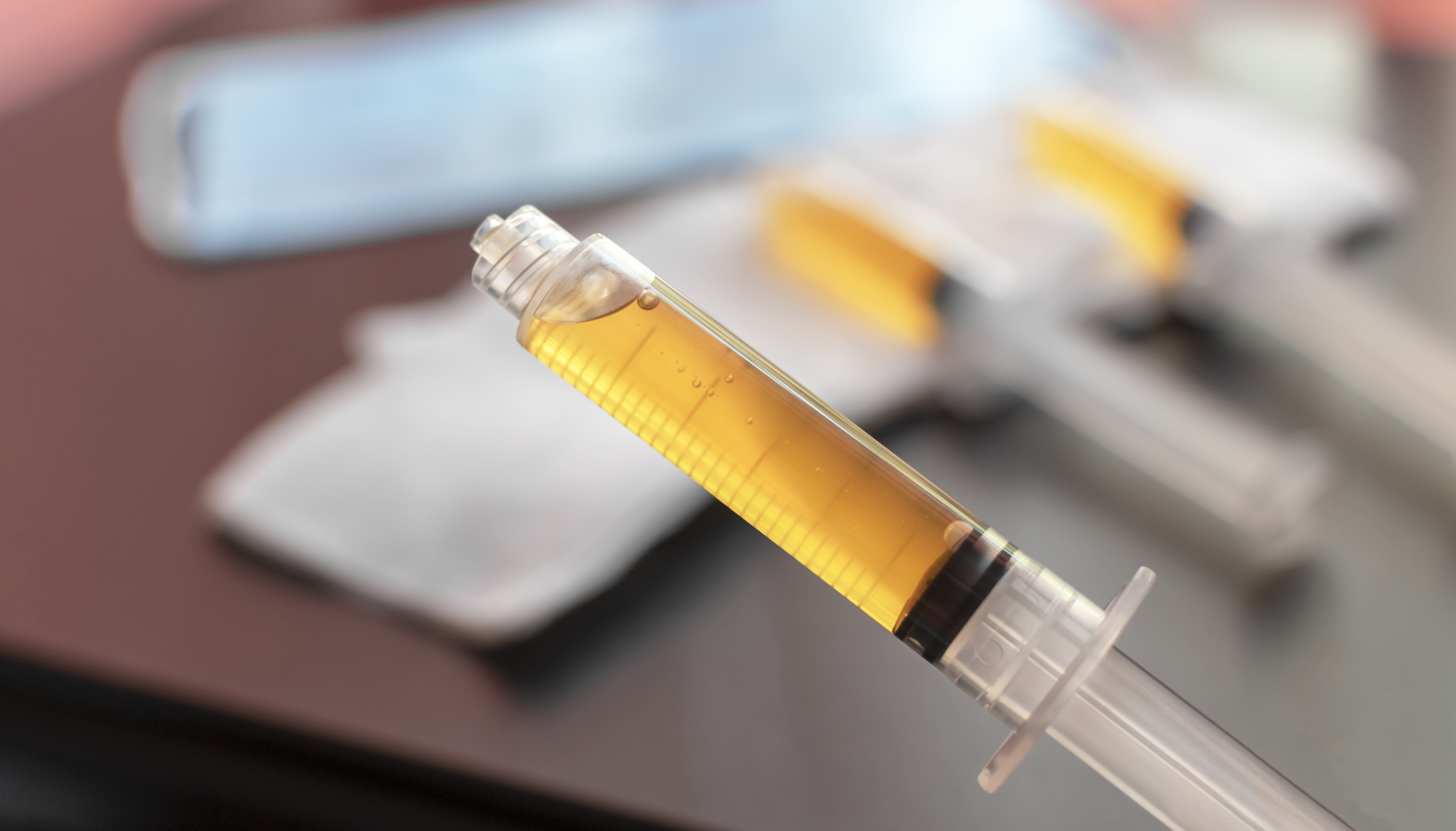
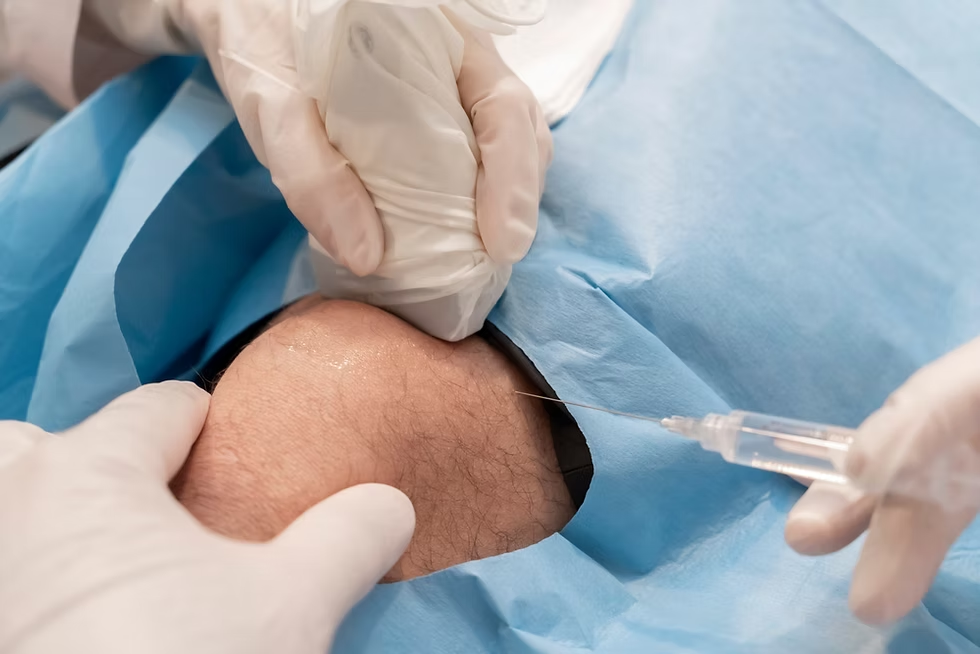
For patients who do not respond adequately to conservative measures, injection therapies may be indicated. The specific approach depends on the clinical findings, the degree of tissue involvement, and how long the condition has been present.
The goal of treatment is not just pain relief but addressing the structural damage in the fascia itself so the condition does not continue to recur. Plantar fasciitis that has been present for months tends to involve degenerative tissue changes that require targeted intervention beyond what rest and basic home care can accomplish.
If you have been dealing with heel pain that has not responded to rest, ice, or store-bought insoles, a clinical evaluation can determine the extent of tissue involvement and whether targeted treatment is appropriate.