What the Typical Pathway Looks Like
Back pain is one of the most common reasons people visit a doctor in the United States. It is also one of the most predictably mismanaged conditions in modern medicine. The standard of care pathway for a patient presenting with back pain has remained essentially unchanged for decades, and it follows a pattern that most patients will recognize immediately.
The patient visits their primary care physician. The doctor performs a brief examination, possibly orders an X-ray, and prescribes a muscle relaxant and an anti-inflammatory. The patient is told to rest, apply ice or heat, and follow up in a few weeks if the pain does not resolve. If the pain persists, the prescription is adjusted. A stronger anti-inflammatory, a short course of oral steroids, or a low-dose gabapentin may be added. At some point, a referral to physical therapy is written, typically for six to eight sessions over four to six weeks.
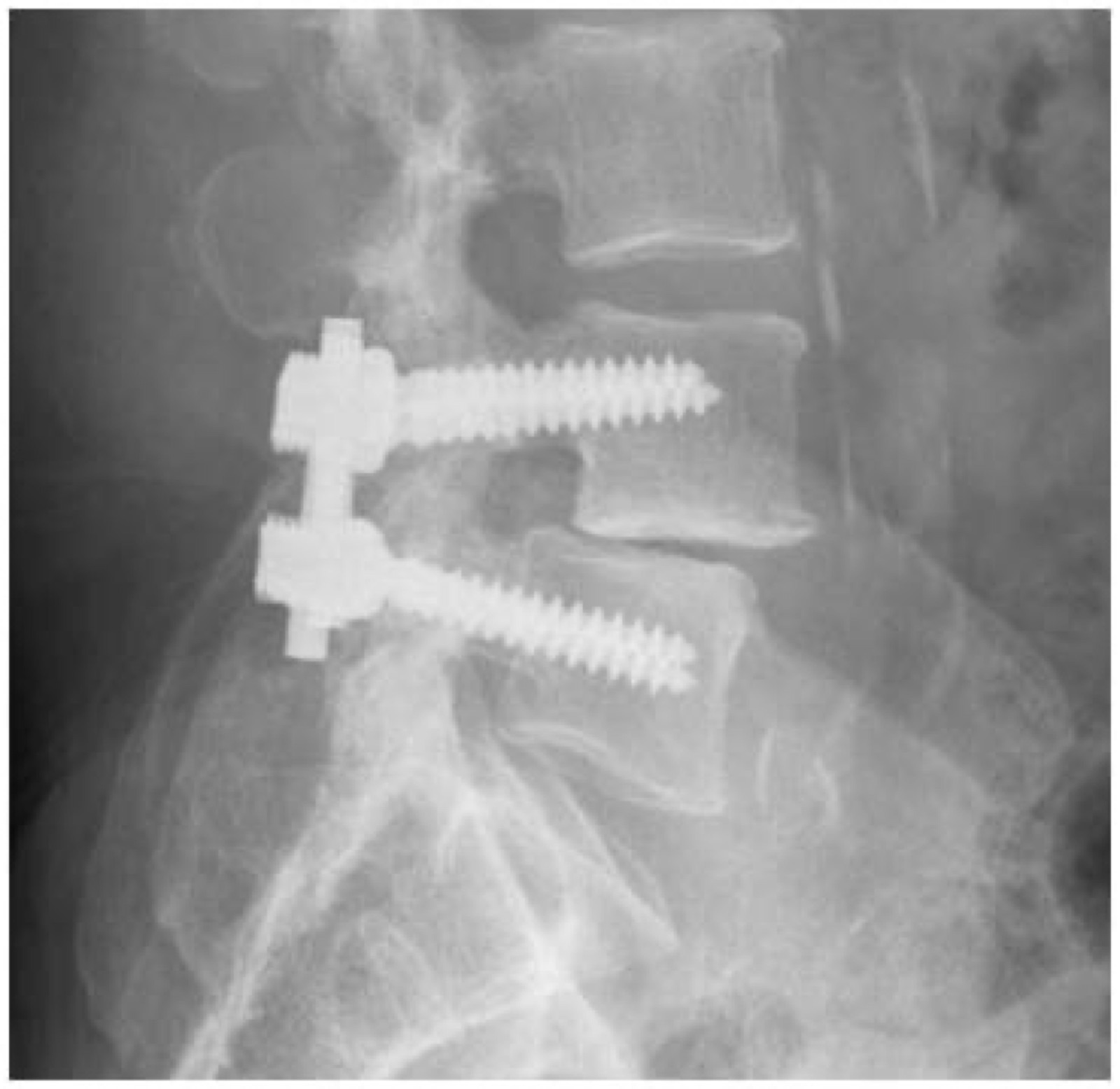
If the pain continues after physical therapy, the patient is referred to a specialist, usually an orthopedic surgeon or a pain management physician. An MRI is ordered and almost always reveals some structural abnormality, because the majority of adults over 30 have disc bulges, herniations, or degenerative changes on imaging whether they have symptoms or not. The patient is told these findings are the source of their pain, and epidural steroid injections are recommended. If the injections provide temporary relief that fades, they are repeated. If they stop working, surgery is discussed.
This entire pathway, from the first prescription to the surgical consultation, can unfold over one to three years. At no point in that timeline is the fundamental question asked: what is actually causing this patient's pain, and can the cause be addressed directly?
The Problem with Treating Symptoms
Every intervention in the standard pathway targets pain as a symptom. Muscle relaxants reduce spasm. Anti-inflammatories suppress the inflammatory response. Epidural steroids deliver a potent anti-inflammatory directly to the affected area. Each of these can provide temporary relief, and none of them asks why the inflammation is occurring in the first place, why the muscles are spasming, or what biomechanical or structural dysfunction is driving the pain cycle.
This is the central flaw in how back pain is managed in the majority of clinical settings. The treatment model is built around suppression rather than correction. The patient's pain may decrease temporarily after each intervention, which reinforces the perception that the treatment is working. But when the medication wears off or the steroid dissipates, the pain returns, because the condition that produced it was never addressed.
Consider a patient with chronic low back pain caused by facet joint dysfunction, core instability, and poor spinal biomechanics. This patient receives muscle relaxants, which relax the muscles that are compensating for their instability. They receive epidural steroid injections, which reduce inflammation around a nerve that is being irritated because of abnormal spinal loading. They do six weeks of generic physical therapy that focuses on stretching and basic strengthening without addressing the specific biomechanical deficits driving their condition. None of these treatments are wrong in isolation. But none of them address the actual problem, which means the patient will continue to cycle through the same interventions indefinitely until the discussion shifts to surgery.
The published data supports this observation. A 2018 study in The Lancet found that the global burden of low back pain has increased steadily despite massive increases in healthcare spending on the condition, and concluded that the predominant treatment model relies too heavily on pharmacological management and too little on active, function-based interventions.
What Gets Skipped
The most significant gap in the standard of care pathway is the absence of a comprehensive functional evaluation. In most settings, the assessment of back pain begins and ends with imaging. An MRI shows a herniated disc, and the disc is assumed to be the pain generator. But imaging findings and clinical symptoms do not always correlate. A widely cited study published in the New England Journal of Medicine found that 64 percent of adults with no back pain at all had disc abnormalities on MRI. The presence of a structural finding on imaging does not mean that finding is the source of the patient's pain.
What a functional evaluation looks at is different. It examines how the patient moves, where their biomechanics break down, which muscles are weak or inhibited, which joints are hypermobile or restricted, and how the entire kinetic chain from the pelvis through the thoracic spine contributes to the loading pattern that is producing symptoms. This type of assessment takes time. It requires hands-on examination. It cannot be completed in a 10-minute office visit, and it is not captured by an MRI.
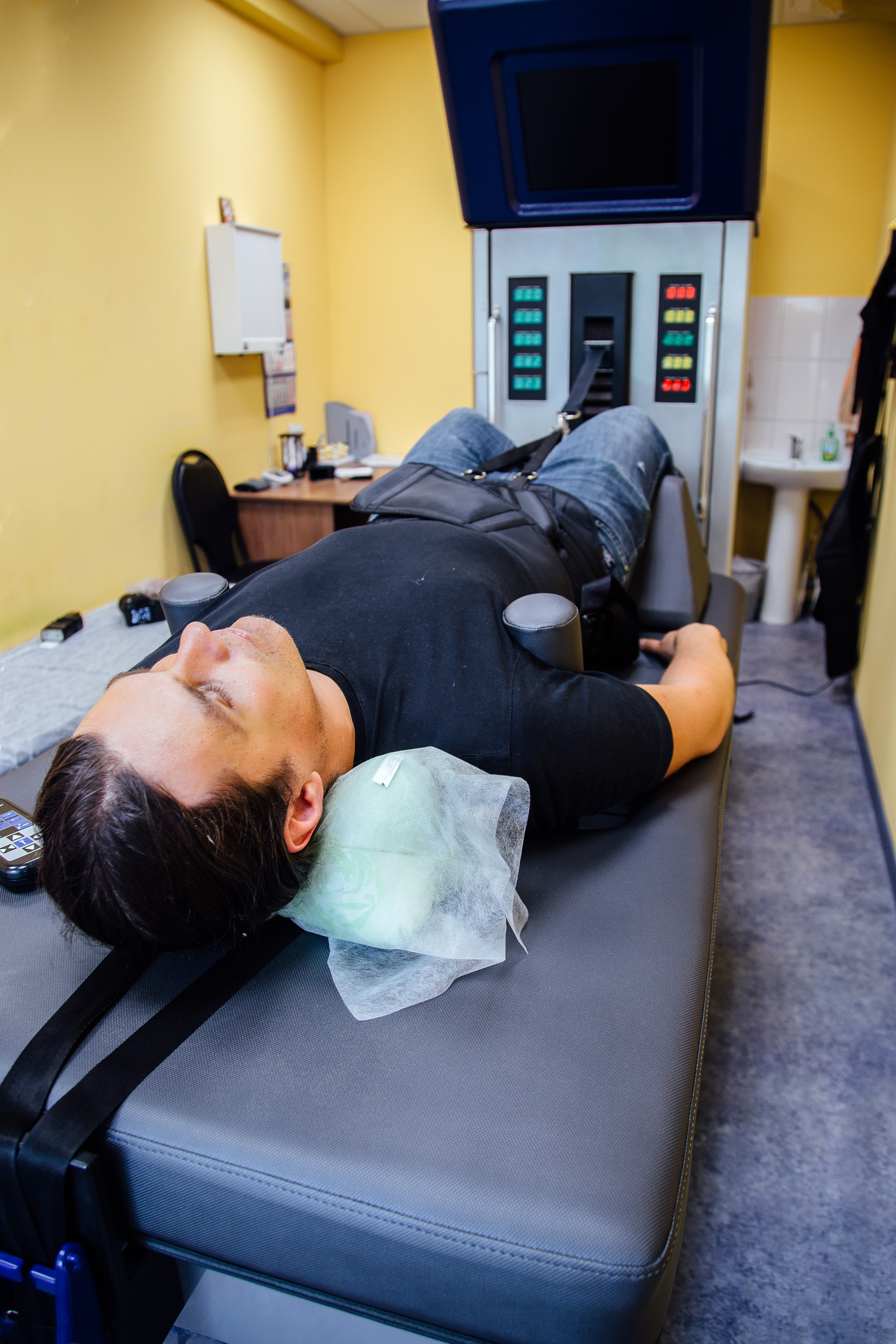
Conservative therapies that address these functional deficits, including chiropractic spinal manipulation, targeted rehabilitation, spinal decompression, and neuromuscular re-education, have strong evidence supporting their effectiveness for mechanical back pain. But they are consistently underutilized in the standard pathway. Physical therapy, when it is prescribed, is often generic rather than individualized. Chiropractic care is frequently omitted entirely despite its inclusion in clinical practice guidelines from the American College of Physicians. Spinal decompression therapy, which uses controlled mechanical traction to reduce intradiscal pressure and promote nutrient exchange in degenerating discs, is rarely discussed in orthopedic or primary care settings.
The interventions that address function, restore biomechanics, and target the mechanical cause of pain are the ones most likely to produce lasting improvement. And they are the ones most consistently absent from the standard treatment pathway.
What a Complete Approach Looks Like
A treatment model that prioritizes function over symptom suppression starts with a different question. Instead of asking where the patient hurts and what medication to prescribe, it asks why the patient is in pain, what structural or biomechanical factors are contributing, and what the most conservative effective intervention is to address those factors directly.
This means beginning with a thorough physical and biomechanical assessment. It means identifying whether the pain is discogenic, facet-mediated, sacroiliac in origin, myofascial, or a combination. It means evaluating core stability, hip mobility, thoracic mobility, and pelvic alignment. And it means building a care plan that targets the specific findings rather than applying the same generic protocol to every patient with back pain.
For many patients, the appropriate first-line intervention is not a medication. It is chiropractic care to restore joint mobility, combined with targeted rehabilitation to correct the muscular imbalances and movement patterns that are overloading the painful structures. For patients with disc-related pain, spinal decompression may reduce symptoms by directly addressing intradiscal pressure. For patients whose pain persists despite adequate conservative care, diagnostic injections can identify the specific pain generator, and interventional procedures like radiofrequency ablation can provide longer-duration relief while the patient continues functional rehabilitation.
This is not an alternative medicine approach. These are evidence-based interventions recommended in published clinical practice guidelines. The difference is that they are applied in a coordinated sequence based on a thorough initial evaluation rather than defaulting to the prescription-injection-surgery pathway that has become the norm.
If you are dealing with back pain that has not improved despite months or years of treatment, it is worth considering whether the treatments you have received were designed to address your symptoms or the cause behind them. In many cases, the cause has never been evaluated. A comprehensive assessment is the first step toward finding out.