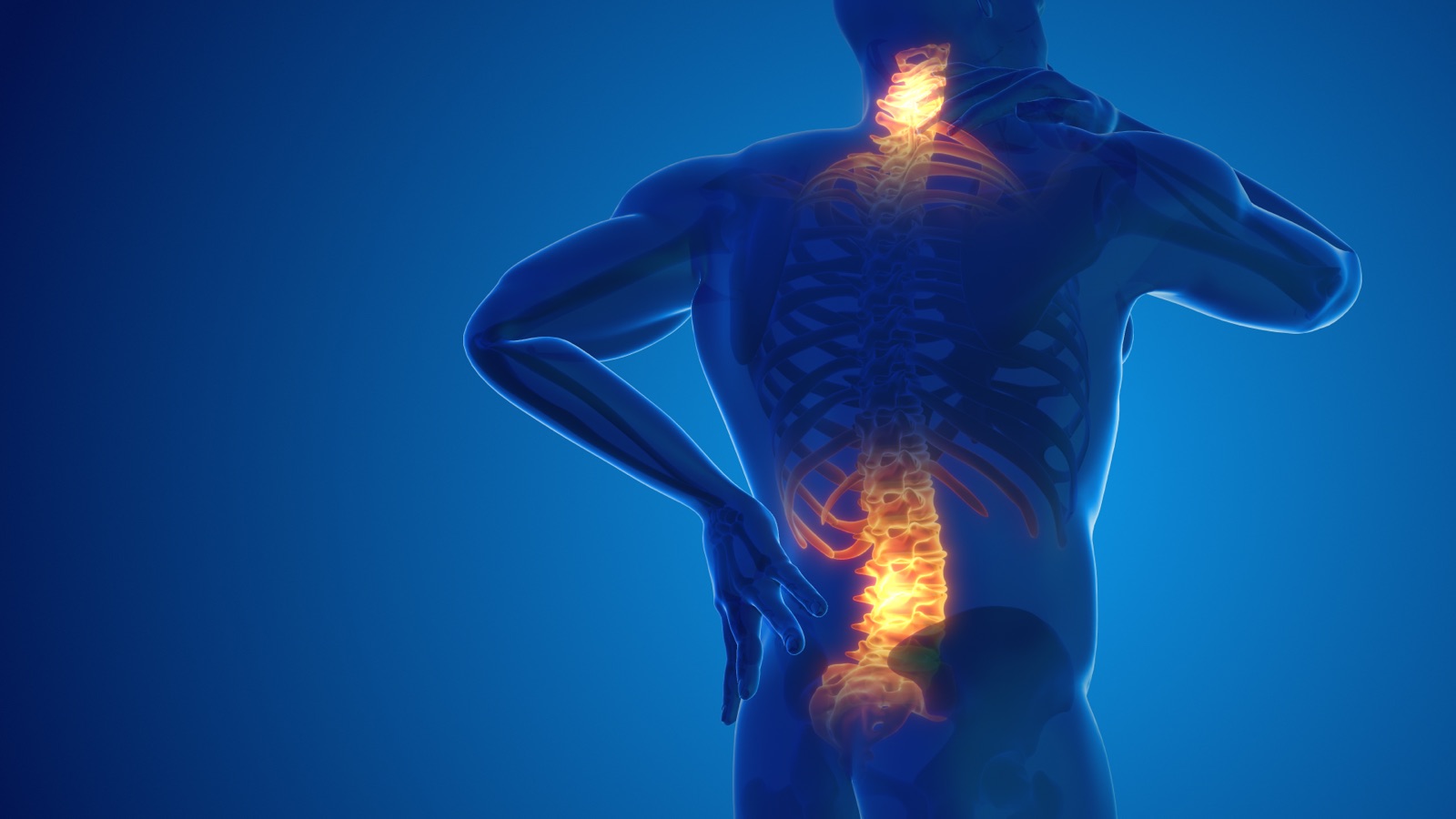
What Non-Surgical Spinal Decompression Is
Non-surgical spinal decompression is a motorized traction therapy that gently stretches the spine using a specialized treatment table. The patient is secured to the table, and the system applies a controlled, cyclical pulling force that creates negative pressure within the targeted spinal disc. This negative intradiscal pressure serves two purposes: it encourages retraction of herniated or bulging disc material away from the nerve root, and it promotes the movement of oxygen, water, and nutrients into the disc to support the healing process.
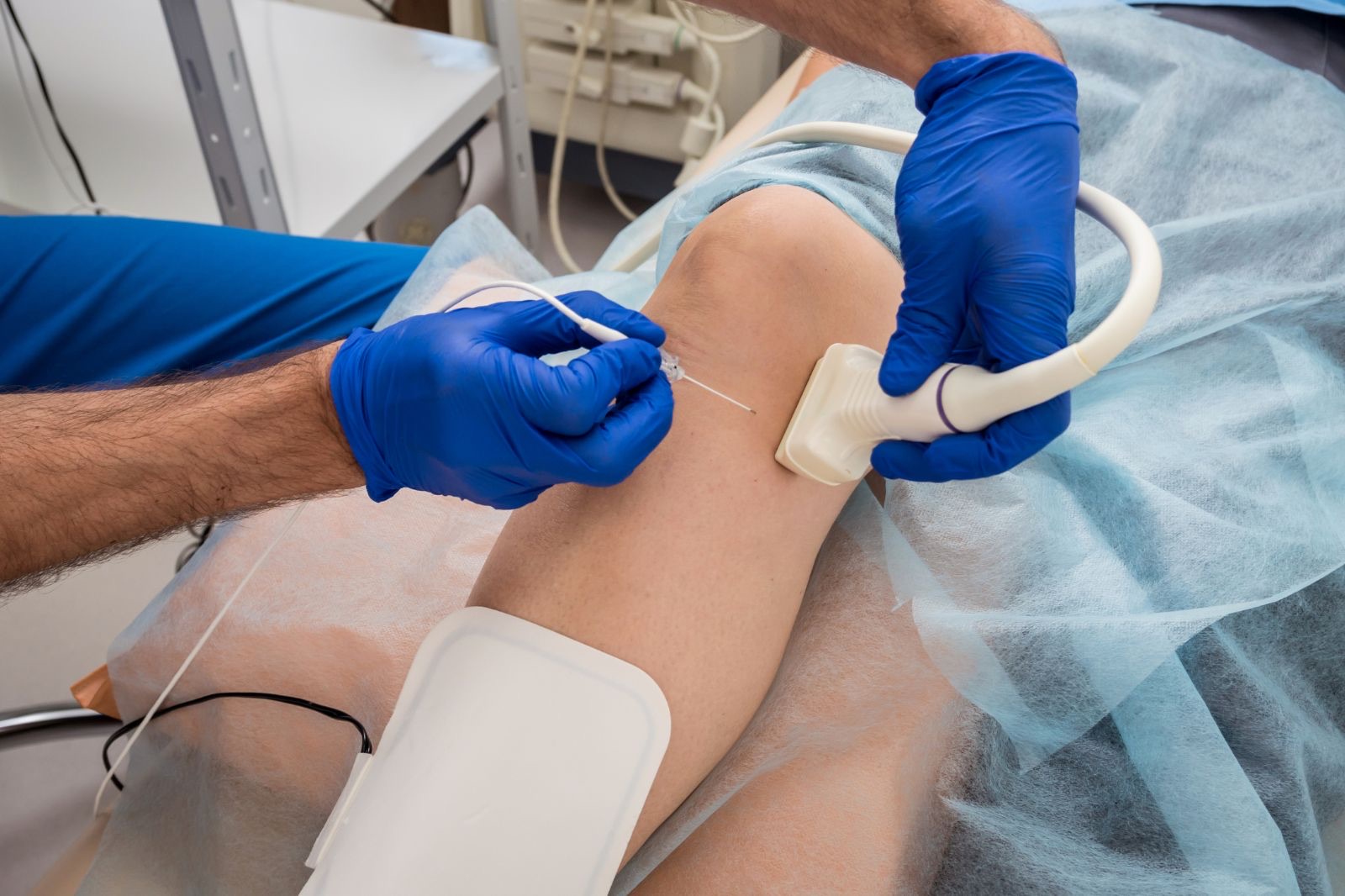
The treatment is non-invasive. There are no incisions, no needles, and no anesthesia. A typical session lasts between 20 and 35 minutes, and most treatment plans involve a series of sessions over several weeks. Patients are fully clothed during the procedure and most report a gentle stretching sensation with no pain. It is used to treat herniated discs, bulging discs, degenerative disc disease, sciatica, facet syndrome, and chronic back or neck pain that originates from spinal compression.
How Decompression Addresses the Problem
Most spinal pain conditions that patients present with involve some form of compression. A herniated disc presses on an adjacent nerve root. Degenerative disc disease narrows the space between vertebrae and reduces the room available for nerves to exit the spinal canal. Facet joint inflammation creates pressure on surrounding structures. In each of these scenarios, the pain is being generated by mechanical pressure on neural tissue.
Medications like muscle relaxants, anti-inflammatories, and narcotics can reduce the pain a patient feels from compression, but they do not change the compression itself. The disc is still pressing on the nerve when the medication wears off. Non-surgical spinal decompression addresses the mechanical problem directly. By creating negative pressure within the disc space, decompression therapy works to pull the herniated or bulging disc material back toward the center of the disc, reducing contact with the nerve root. The cyclical nature of the traction also promotes fluid exchange within the disc, which is significant because spinal discs do not have their own direct blood supply and rely on this type of movement-driven nutrient delivery to maintain their health and support repair.
Where Decompression Fits in a Treatment Plan
At Frontier Pain Relief, we approach spinal conditions along a spectrum of care that starts conservative and escalates only when clinically necessary. Non-surgical spinal decompression sits at the conservative end of that spectrum. Before recommending epidural steroid injections, nerve blocks, or advanced interventional procedures, we want to determine whether the patient can achieve meaningful relief through therapies that carry minimal risk and no recovery time.
For many patients, a treatment plan that combines spinal decompression with chiropractic adjustments, targeted rehabilitation exercises, and anti-inflammatory support produces significant improvement in pain and function without ever needing to escalate to interventional procedures. When conservative care succeeds, it is the best possible outcome for the patient because they have achieved relief with the least invasive approach available. When conservative therapy alone is not sufficient, it still provides valuable clinical information. A patient who responds partially to decompression but continues to have nerve-related symptoms has given us a clearer picture of what is happening structurally, which makes the next step in care, whether that is an injection, a nerve block, or an advanced imaging study, more targeted and more effective.
Starting Conservative, Escalating When Necessary
The philosophy behind offering spinal decompression as part of our treatment approach is the same philosophy that guides the rest of our practice: start with the least invasive option that has a reasonable chance of producing improvement, evaluate the response, and escalate only when the clinical picture warrants it. This is not about avoiding advanced procedures. It is about making sure that when a patient does receive an injection, a nerve block, or a referral for a surgical consultation, it is because the conservative pathway has been explored and the data supports moving to the next level.
This approach also ensures that patients are not subjected to procedures they may not need. A significant number of patients with disc-related back pain and sciatica can achieve clinically meaningful improvement through conservative care that includes decompression, rehabilitation, and manual therapy. For those patients, the path to relief does not require an operating room or a series of injections. For the patients who do need more, the conservative phase has provided a more complete understanding of their condition, which leads to better procedural outcomes. If you are dealing with chronic back pain, neck pain, disc-related symptoms, or sciatica and want to explore conservative treatment options before considering more invasive approaches, our team can evaluate your condition and recommend the appropriate starting point.