What Spinal Stenosis Actually Is
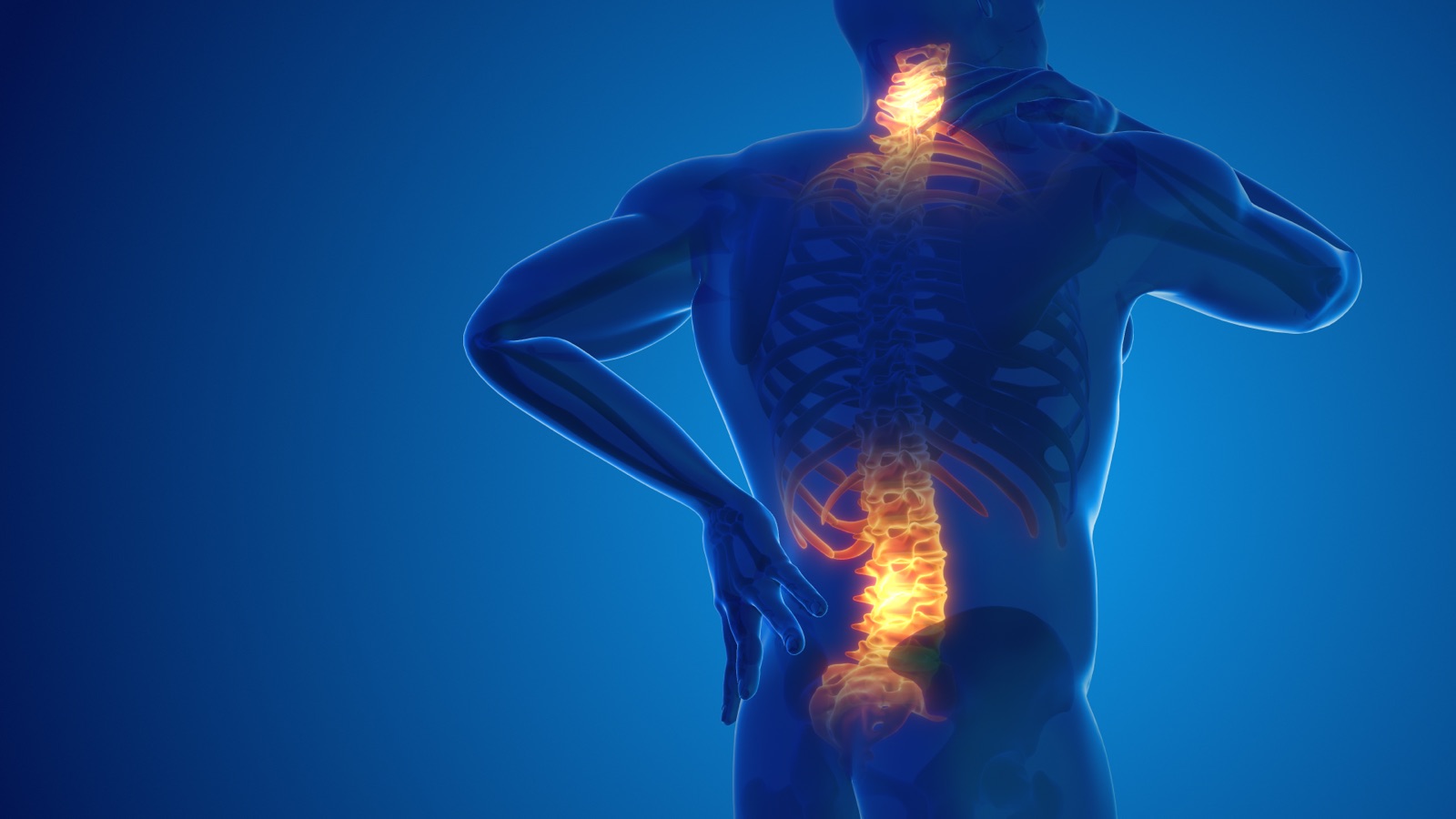
Spinal stenosis is a narrowing of the spaces inside the spine. The spine is built around a central channel called the spinal canal, which protects the spinal cord, along with a series of smaller openings on each side through which the nerve roots exit to reach the rest of the body. When any of these spaces narrow, the spinal cord or the nerve roots running through them are squeezed, and that compression is what produces symptoms.
Stenosis most often develops in the lower back, where it is called lumbar spinal stenosis, and it can also occur in the neck, where it is called cervical spinal stenosis. Lumbar stenosis is the more common of the two and is responsible for the pattern most people recognize.
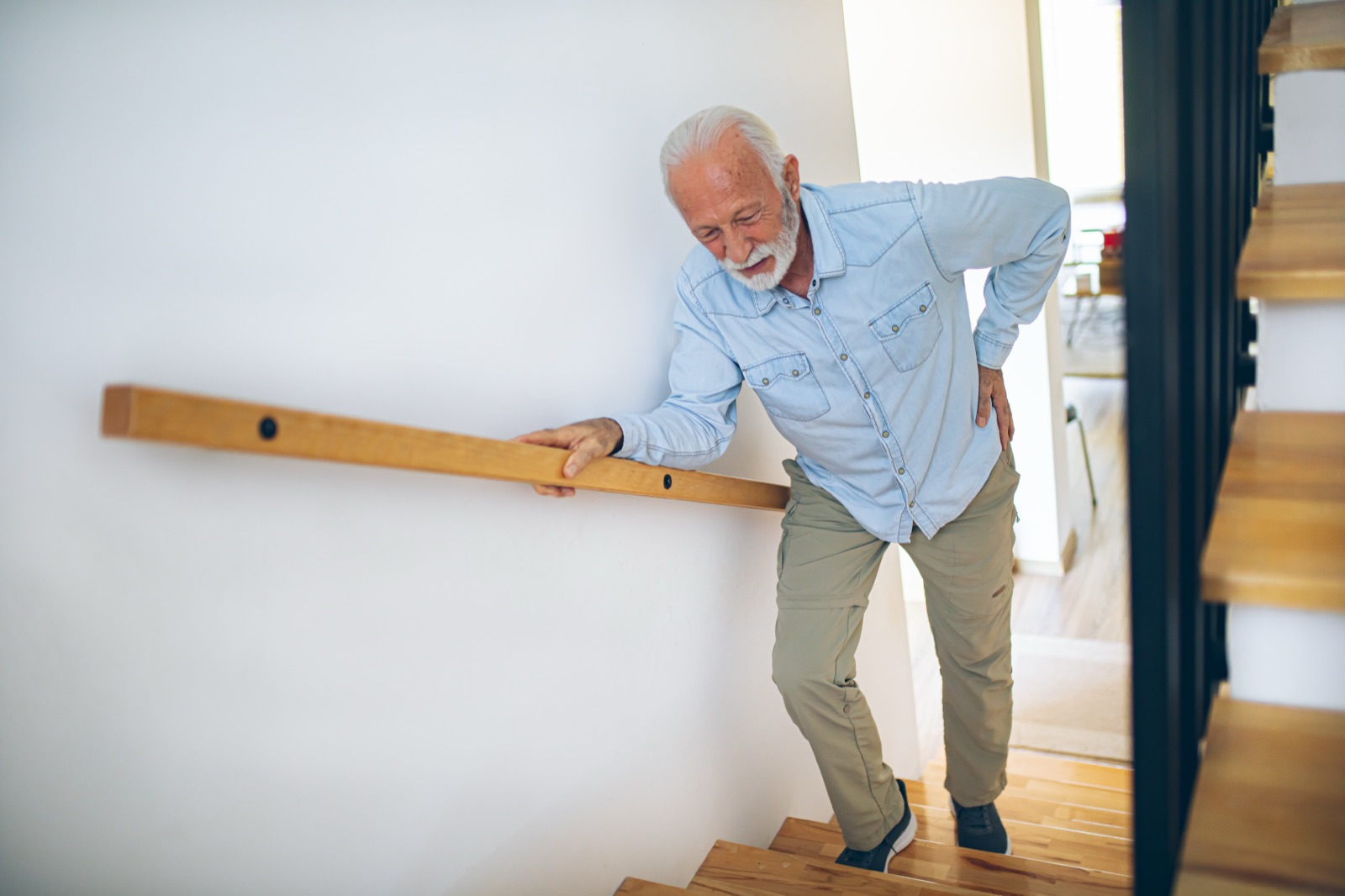
The hallmark symptom of lumbar spinal stenosis is pain, numbness, heaviness, or cramping in the legs and buttocks that comes on with standing or walking and eases when you sit down or lean forward. Many patients describe being able to walk much farther when leaning on a shopping cart, because bending forward briefly opens up the narrowed space. This positional pattern, where leaning forward or sitting brings relief, is one of the most telling features of the condition.
Spinal stenosis is primarily a condition of older adults. Because it is usually the result of gradual, age-related changes in the spine, it most commonly appears after the age of 50 and becomes more frequent with each passing decade.
What Causes It and Who Is at Risk
In the large majority of cases, spinal stenosis is caused by the same age-related wear and tear that affects the rest of the body over time. As the spine ages, several changes tend to occur together, and each one can contribute to the narrowing.
Osteoarthritis of the spine is the most common driver. As the cartilage in the spinal joints wears down, the body often responds by forming bone spurs, which can grow into the spinal canal and crowd the nerves. The ligaments that hold the spine together can thicken and stiffen with age, taking up additional space. Discs, the cushions between the vertebrae, lose height and can bulge or herniate, pushing backward into the canal. Any of these alone can narrow the space, and in most older patients several are present at once.
Less commonly, stenosis is not primarily about aging. Some people are simply born with a narrower spinal canal, which means it takes less degeneration to produce symptoms. Previous spine injuries or fractures, scoliosis, and certain other structural conditions can also reduce the space available for the nerves.
The clearest risk factor is age, with most cases appearing after 50. A history of back problems, a prior spine injury, or a physically demanding history of repetitive bending and lifting can all increase both the likelihood of stenosis and the speed at which it develops.
Why It Gets Worse If Left Untreated
Spinal stenosis is generally a slow but progressive condition. Because the underlying narrowing is usually driven by ongoing degenerative changes, the symptoms tend to advance gradually over months and years rather than appearing all at once.
In the early stages, the leg symptoms show up only with extended standing or walking and resolve quickly with rest. Over time, the distance a person can walk before symptoms set in tends to shrink. What once required a long walk to provoke may eventually appear after just a block or two, and the relief that used to come from a short rest may take longer to arrive. As the compression progresses, some patients develop more constant numbness, leg weakness, or problems with balance and steadiness on their feet.
There is also an indirect way the condition worsens. Because walking and standing bring on the symptoms, many people gradually do less and less of both. That reduction in activity leads to loss of strength and conditioning, weight gain, and stiffness, all of which place more demand on the spine and tend to accelerate the underlying problem. It becomes a cycle in which avoiding activity to escape the pain quietly makes the overall situation worse.
In rare and more severe cases, significant compression can affect bowel or bladder control or cause progressive leg weakness. These are warning signs that require prompt medical attention. Short of that, the more common reality is that stenosis left unaddressed tends to steadily shrink a person's range of activity, and nerves that are compressed for long enough can sustain damage that is harder to reverse. Identifying the problem while it is still responsive to conservative care gives the most room to work with.
How It Is Treated
Treatment for spinal stenosis depends on how advanced the narrowing is and how much it is affecting daily life, and conservative, non-surgical approaches are always the starting point.
Physical therapy is a cornerstone of conservative care. Because leaning forward tends to relieve the pressure, therapy often emphasizes flexion-based exercises along with core and hip strengthening to support the spine and improve walking tolerance. Activity modification, posture work, and strategies for staying active without provoking symptoms all help interrupt the cycle of deconditioning that makes stenosis worse. Addressing contributing factors such as weight and overall fitness is an important part of long-term management.
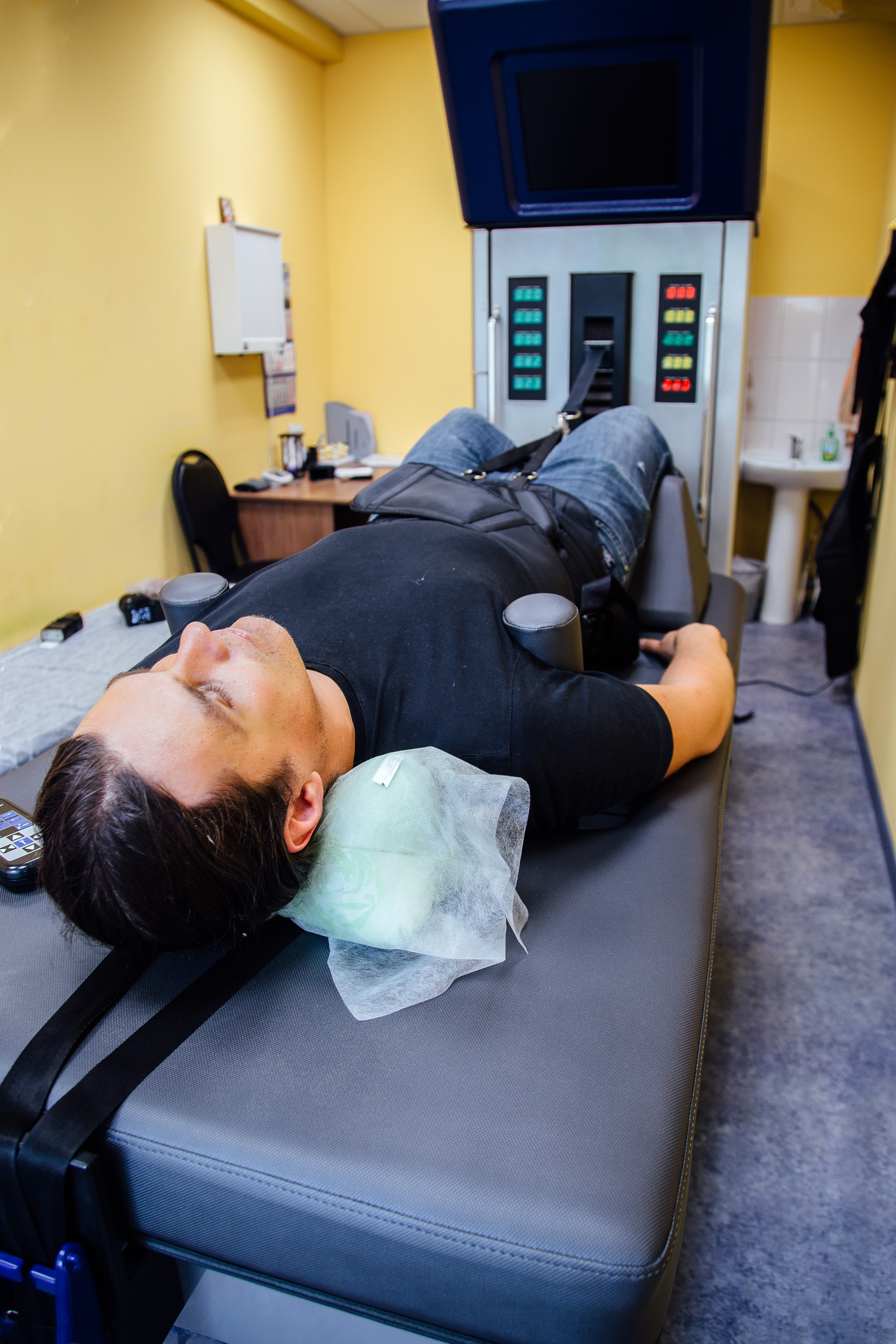
When symptoms persist despite these measures, image-guided injections can be used to calm the inflammation around the compressed nerves and take pressure off them. Epidural steroid injections, performed under imaging guidance for accuracy, are one of the most established interventional options for stenosis and can open a window of relief that makes physical therapy more effective. Non-surgical spinal decompression, a form of gentle mechanical traction, is another conservative tool used to relieve pressure on the affected structures.
Stenosis often coexists with other degenerative changes in the spine, such as arthritic joints and worn discs, that add to the overall pain. For that component, some patients also explore regenerative options such as platelet-rich plasma, or PRP, which uses a concentrated preparation made from the patient's own blood. PRP does not widen the narrowed canal or take the place of the treatments above, but it is an additional non-surgical option that some patients have found helpful for the surrounding degenerative pain.
Surgery, typically a decompression procedure to create more room for the nerves, is reserved for severe cases or for patients who do not respond to conservative care, and it is not the starting point. The goal of a non-narcotic, conservative-first program is to relieve pressure on the nerves, restore as much function and walking tolerance as possible, and address the factors driving the condition before it progresses further.
If you have been dealing with back pain or leg symptoms that worsen with standing or walking and ease when you sit or lean forward, a clinical evaluation can determine whether spinal stenosis is involved and which non-surgical options make sense for your situation.