What Spinal Cord Stimulation Is
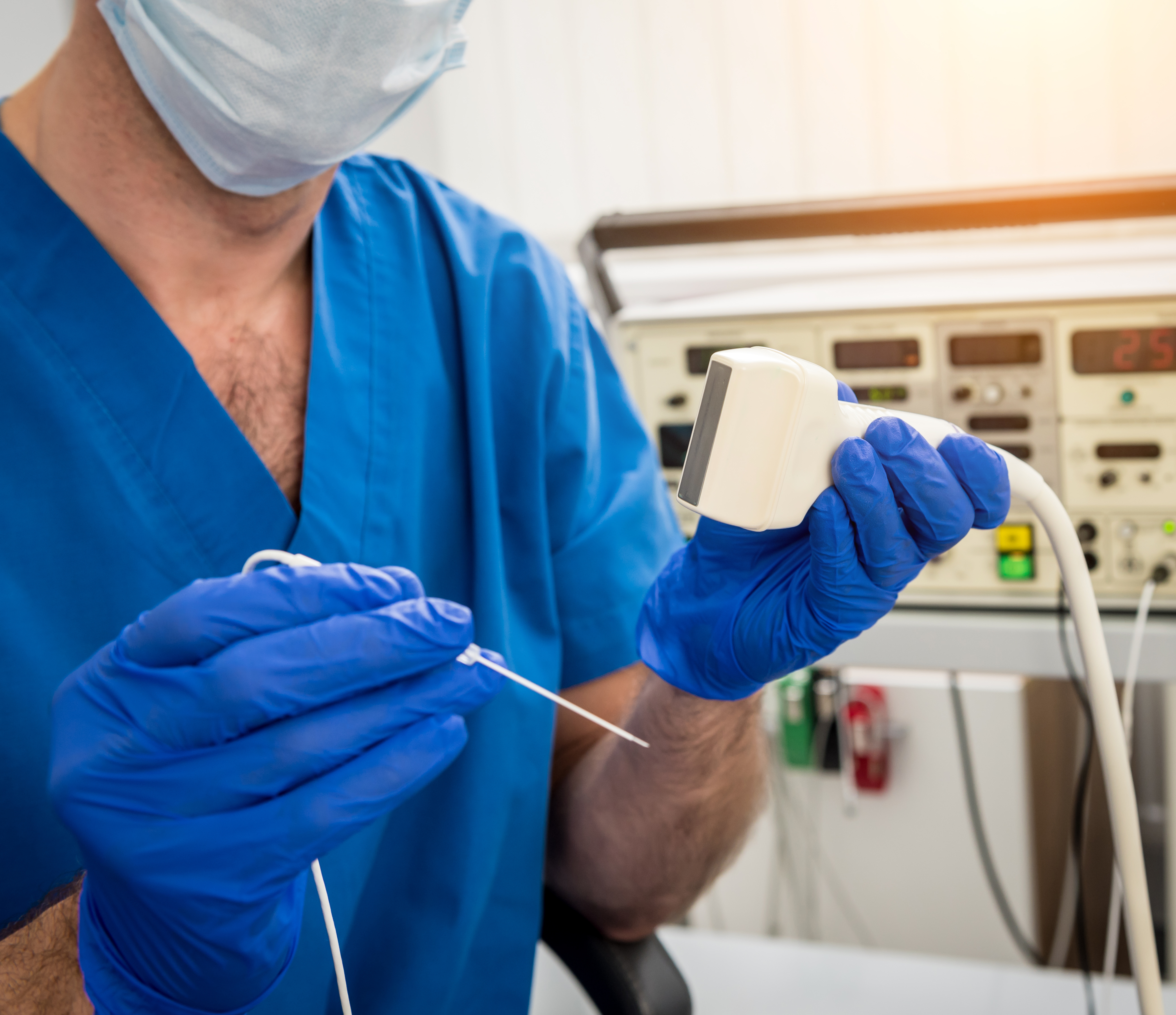
Spinal cord stimulation is an advanced neuromodulation therapy that uses a small implanted device to deliver low-level electrical impulses to the spinal cord. These impulses interrupt pain signals before they reach the brain, replacing the sensation of pain with a mild tingling or, in newer systems, no sensation at all. The device consists of thin electrode leads placed in the epidural space of the spine and a small pulse generator implanted beneath the skin, typically in the lower back or buttock area.
SCS has been used clinically for over 50 years and has evolved significantly. Modern systems offer rechargeable batteries that last 10 years or more, MRI-compatible designs, and multiple stimulation waveforms that can be tailored to the individual patient. Some newer platforms use high-frequency or burst stimulation patterns that provide pain relief without any perceptible tingling, which many patients prefer. The device is fully reversible. If a patient does not experience adequate relief or no longer needs the therapy, the system can be removed without permanent changes to the spinal cord or surrounding anatomy.
Who Is a Candidate
Spinal cord stimulation is not a first-line treatment and it is not appropriate for every patient. It is reserved for individuals with chronic pain that has persisted despite an adequate course of conservative and interventional therapies. The most common conditions treated with SCS include failed back surgery syndrome, chronic radiculopathy, complex regional pain syndrome (CRPS), and peripheral neuropathy that has not responded to other interventions.
The clinical decision to pursue SCS is made only after a thorough evaluation and typically after the patient has already completed physical therapy, medication management, injection-based therapies, and other less invasive procedures without sufficient relief. There are also patients for whom SCS is not indicated. Patients with untreated psychological conditions, active infections, bleeding disorders, or pain that is primarily mechanical in nature rather than neuropathic are generally not appropriate candidates. The goal is to identify patients whose pain is driven by nerve signaling dysfunction, because that is the mechanism SCS is designed to address.
Candidacy also involves a realistic conversation about expectations. SCS does not eliminate pain entirely. Published literature consistently reports that a successful outcome is defined as a 50 percent or greater reduction in pain, along with meaningful improvements in function and quality of life. Some patients achieve more than that, but it is important that anyone considering this therapy understands what a realistic outcome looks like before making a decision.
The Trial Period
One of the features that distinguishes spinal cord stimulation from most other surgical interventions is the mandatory trial period. Before any permanent device is implanted, the patient undergoes a trial lasting approximately five to seven days. During the trial, temporary electrode leads are placed in the epidural space under fluoroscopic guidance, and the leads are connected to an external pulse generator that the patient wears on a belt or carries in a pocket.
The trial allows the patient to experience the therapy in their normal daily environment. They can assess whether the stimulation provides meaningful relief during the activities and situations that typically provoke their pain. The trial is the single most important step in the process because it gives both the patient and the clinical team objective evidence of whether the therapy works for that specific individual before committing to a permanent implant.
If the trial produces a 50 percent or greater reduction in pain and the patient reports meaningful functional improvement, a permanent implant is scheduled. If the trial does not meet those thresholds, the leads are simply removed and the patient and provider discuss alternative options. There is no obligation to proceed, and the trial itself does not cause any permanent changes. This built-in safeguard is one of the reasons SCS has a higher patient satisfaction rate than many other chronic pain interventions. By the time a permanent device is placed, both the patient and the clinical team already know it works.
Where SCS Fits in the Treatment Spectrum
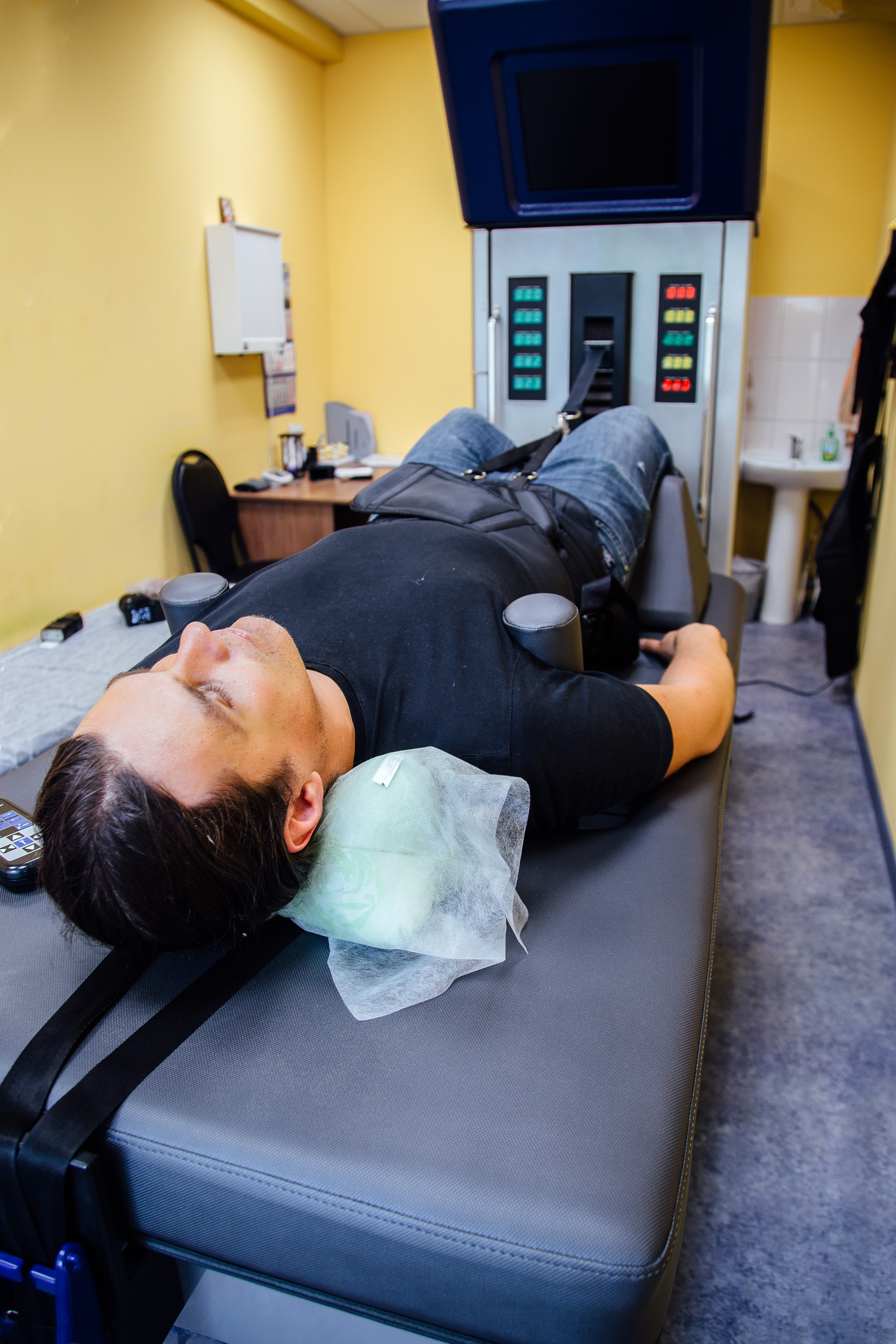
At Frontier Pain Relief, spinal cord stimulation sits at the most advanced end of a structured treatment continuum. Our approach to pain management begins with the most conservative therapies available, including chiropractic care, physical rehabilitation, spinal decompression, and anti-inflammatory management. When conservative care is insufficient, we move to interventional procedures such as epidural steroid injections, nerve blocks, and radiofrequency ablation. SCS becomes part of the conversation only when a patient has progressed through these earlier stages without adequate relief.
This is not a therapy that is offered casually or prematurely. The patients who benefit most from spinal cord stimulation are those who have genuinely exhausted other options and whose pain is confirmed to be neuropathic in origin. When it is appropriate, SCS can provide a level of sustained relief that is difficult to achieve through other means, particularly for patients who would otherwise face a choice between ongoing high-dose medication use or repeat surgical procedures with diminishing returns.
If you are living with chronic pain that has not responded to the treatments you have tried, an evaluation can help determine whether spinal cord stimulation is a reasonable next step for your specific situation. Not every patient is a candidate, and that is by design. The goal is to match the right therapy to the right patient at the right time.