Why Pain Persists After Surgery
A meaningful percentage of patients who undergo spinal surgery, joint replacement, or other orthopedic procedures continue to experience significant pain afterward. This is a recognized clinical entity with identifiable causes. Post-surgical pain is not a failure of willpower. It occurs because the surgical intervention, while structurally successful, did not fully address all the pain-generating mechanisms present in that patient. Persistent post-surgical pain deserves the same rigorous evaluation and targeted treatment as any other pain condition.
Failed Back Surgery Syndrome
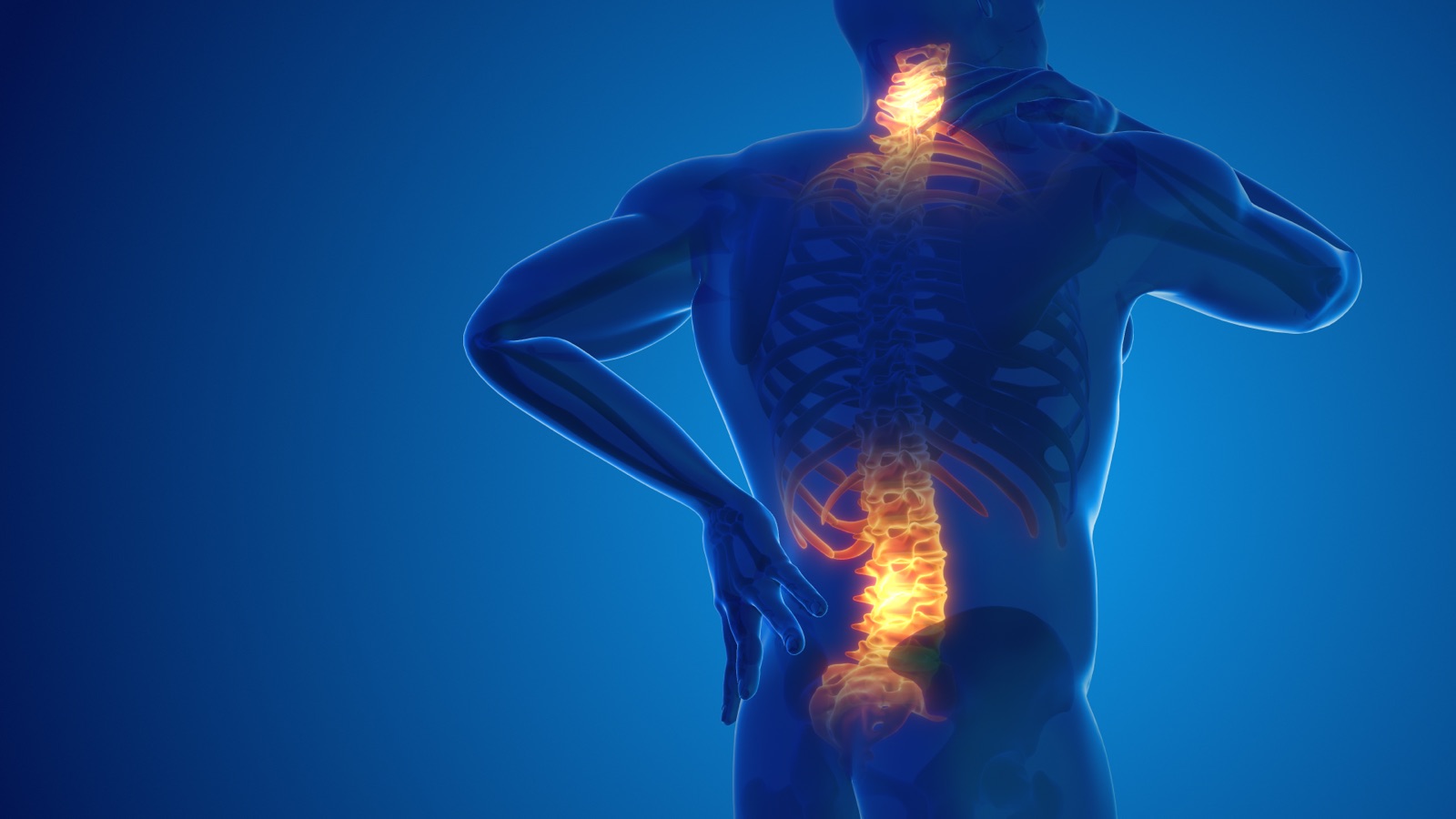
Failed back surgery syndrome (FBSS) refers to persistent or recurring pain after technically successful spinal surgery. It is estimated to affect between ten and forty percent of patients who undergo lumbar surgery, depending on the procedure.
FBSS does not mean the surgery was performed incorrectly. It means the operation did not fully resolve the pain. Common contributors include residual nerve damage that existed before surgery, scar tissue formation (epidural fibrosis) around nerve roots, adjacent segment disease at levels above or below the surgical site, and central nervous system sensitization that persists after the structural problem is corrected.
Interventional Approaches
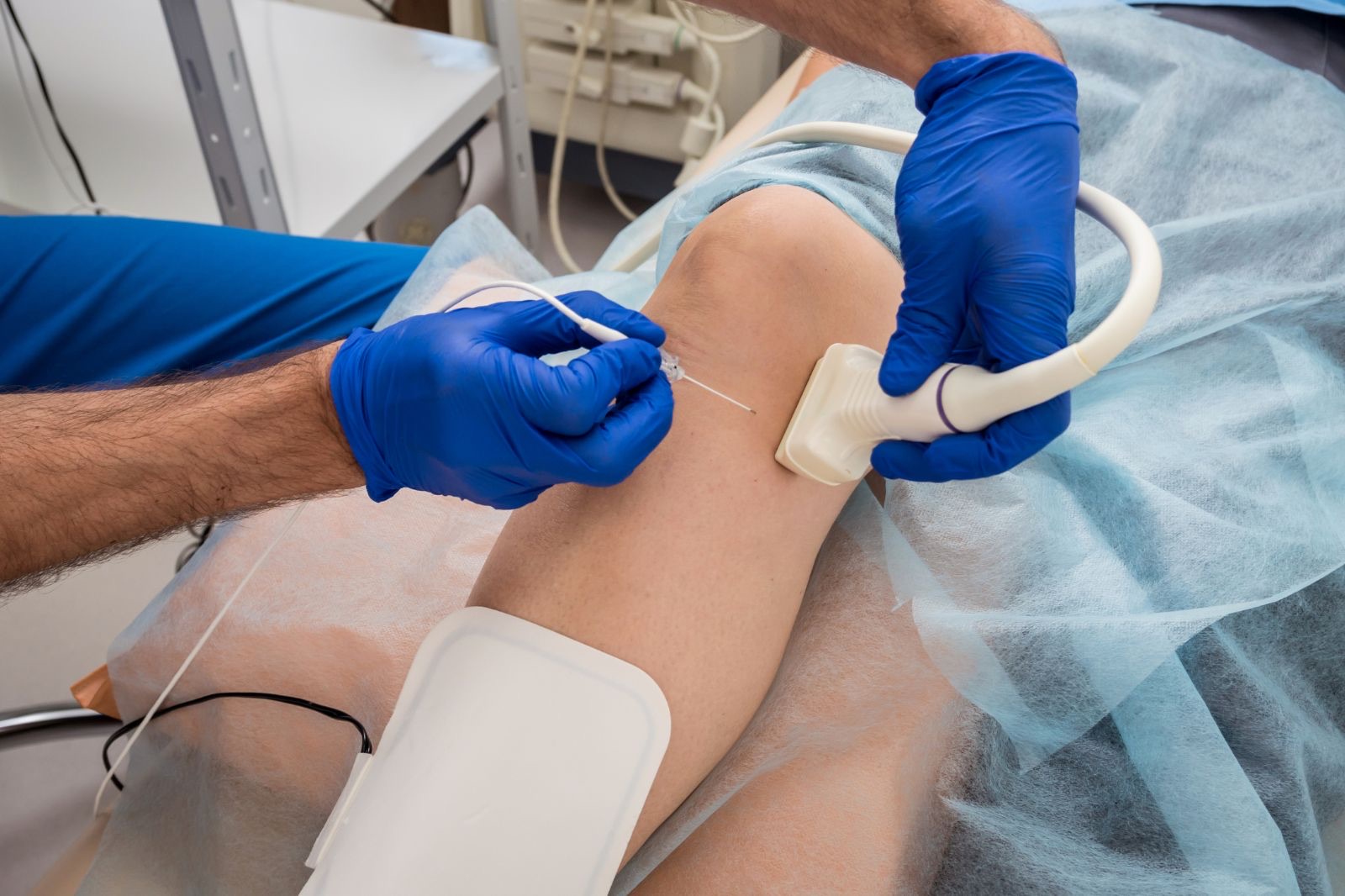
Post-surgical pain management often requires different tools than primary spine or joint pain. Spinal cord stimulation (SCS) has a strong evidence base for FBSS. It involves implanting a small device that delivers low-level electrical impulses to the spinal cord, modulating pain signals before they reach the brain. Epidural steroid injections can address residual nerve root inflammation. Targeted nerve blocks can identify specific pain generators amenable to further treatment.
For patients with complex regional pain syndrome (CRPS), a condition of amplified pain that sometimes develops after surgery or injury, specialized neuromodulation and sympathetic nerve blocks are part of the treatment approach.
Realistic Expectations
Complex post-surgical pain often requires a longer treatment course than primary pain conditions. The goal is not always complete pain elimination. For many patients, meaningful reduction in pain intensity, improved sleep, and the ability to return to daily activities represents a significant improvement in quality of life.
Evaluation starts with understanding what is driving the ongoing symptoms, what has already been tried, and what options remain. Patients who have been struggling for months or years after surgery may still have treatable conditions that have not been properly identified. If you are dealing with persistent pain after a surgical procedure, schedule an evaluation with our team.