How Compression Fractures Happen
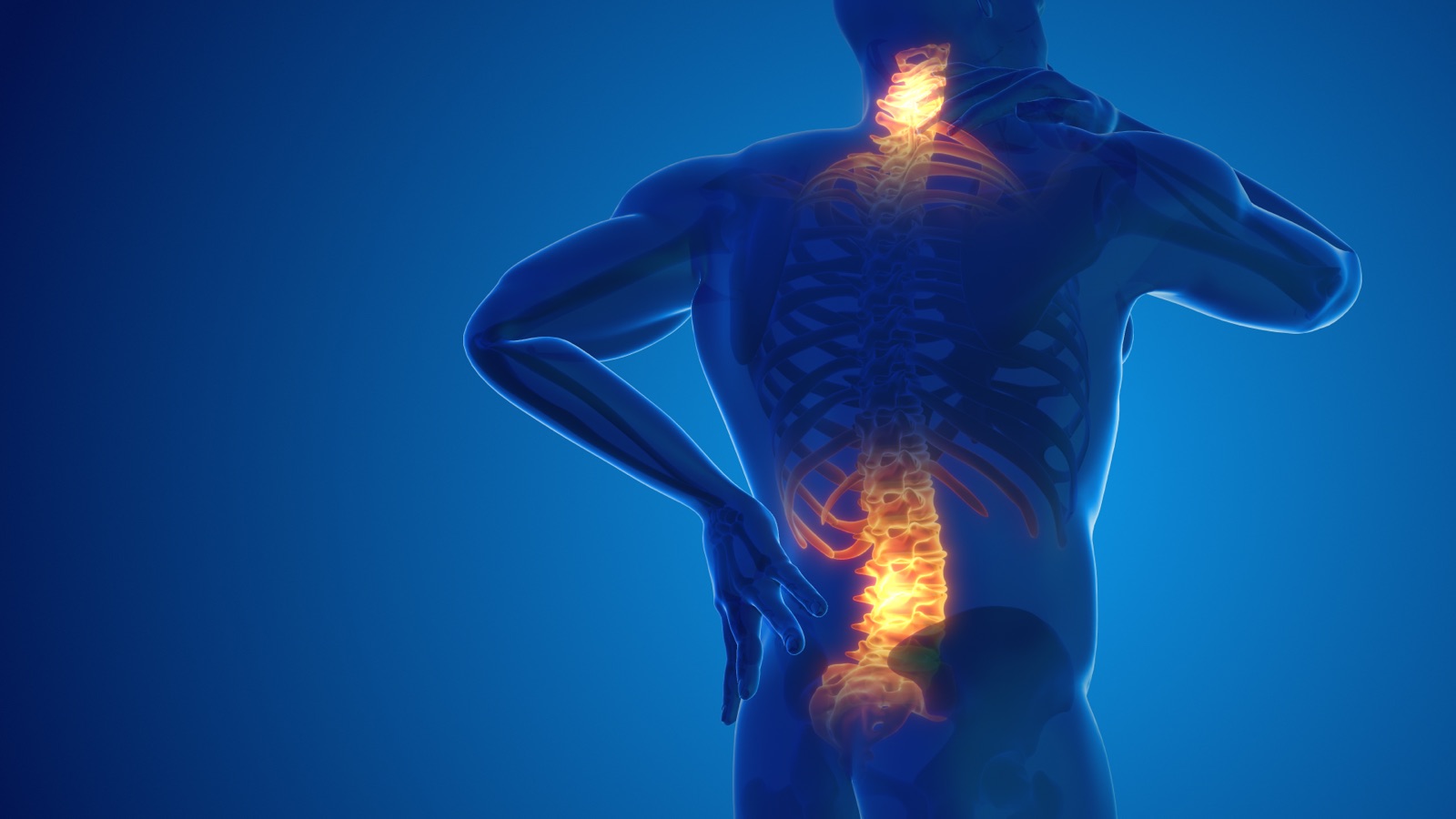
Osteoporosis decreases bone density over time, leaving bones porous and structurally fragile. The spine is where osteoporosis often causes problems first. Vertebral compression fractures (VCFs) occur when a vertebral body partially collapses under load. They affect an estimated 1.5 million Americans annually, making them the most common type of osteoporotic fracture.
These fractures can occur with minimal trauma: bending forward, coughing, or lifting something light. Some occur during ordinary activities with no identifiable triggering event. Because there is no visible external injury, the resulting back pain is often attributed to muscle strain or arthritis, delaying diagnosis by weeks or months.
Why They Are Underdiagnosed
Vertebral compression fractures are frequently missed on standard X-rays unless the radiologist is specifically looking for them. The characteristic wedging of the vertebral body (where the front loses height relative to the back) can be subtle in early or incomplete fractures. Many patients are told their imaging shows "normal age-related changes" when a fracture is actually present.
MRI is more sensitive for acute fractures because it can detect bone marrow edema, which indicates a recent injury. An unrecognized and untreated compression fracture can heal in a collapsed position, contributing to progressive kyphosis (stooped posture), with secondary effects on breathing, balance, and chronic pain.
What Kyphoplasty Is
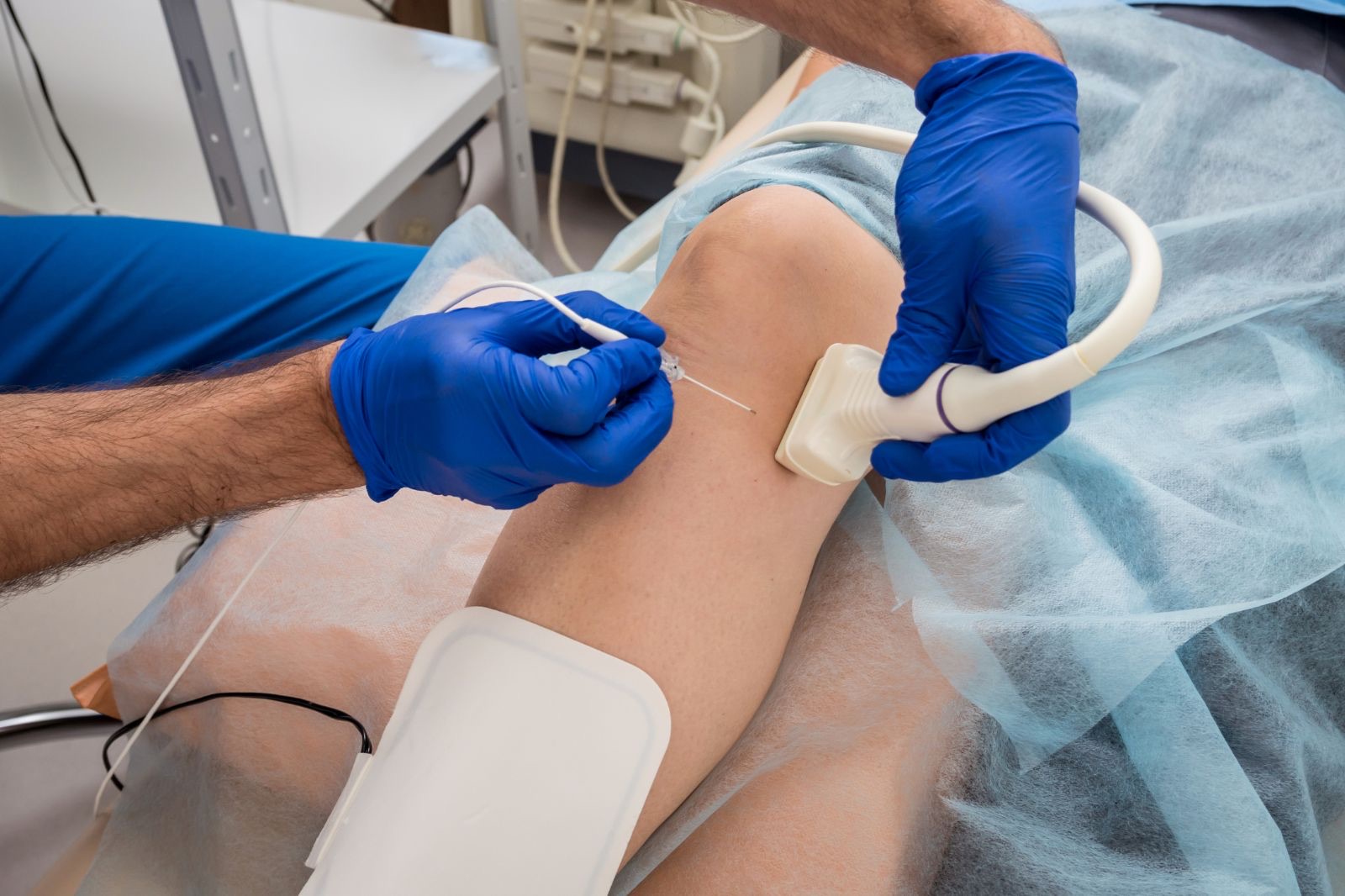
Kyphoplasty is a minimally invasive procedure for vertebral compression fractures that have not responded to conservative management. A small balloon is inserted into the collapsed vertebra and inflated to partially restore height, then the cavity is filled with bone cement to stabilize the fracture.
The procedure is typically performed under light sedation through a small incision, takes less than an hour, and most patients notice meaningful pain improvement within one to two days. Kyphoplasty is not appropriate for all fractures. The timing relative to fracture age matters, as does the patient's overall bone health and spinal anatomy. Each case is evaluated individually.
Long-Term Bone Health
Treating the fracture addresses the immediate pain, but the underlying bone disease also needs management. Many patients with osteoporotic fractures have never received a formal bone density evaluation (DEXA scan) or discussed pharmaceutical options for slowing bone loss.
Bisphosphonates, RANK-L inhibitors, and anabolic agents like teriparatide have demonstrated effectiveness in reducing future fracture risk. Our team coordinates with primary care and endocrinology providers to ensure that patients with fragility fractures are connected to ongoing bone health management, not just treated for the acute pain episode. If you have new-onset back pain or a known compression fracture, schedule an evaluation with our team.