What HakoMed Therapy Is
HakoMed, also called Horizontal Therapy, is a form of electrical stimulation therapy that uses bioelectrical signals to target damaged tissue at the cellular level. Unlike traditional TENS units that primarily mask pain signals, HakoMed works by simultaneously addressing pain modulation and cellular regeneration through frequency-modulated electrical currents.
The device delivers both low-frequency signals and medium-frequency signals in an alternating pattern. The low-frequency component supports pain relief through endorphin release and nerve signal interruption. The medium-frequency component stimulates cellular metabolism and promotes tissue repair. By combining these two approaches in a single treatment session, HakoMed addresses both the symptom and the underlying tissue dysfunction at the same time.
Treatment sessions last 15 to 20 minutes, with electrodes placed directly on the affected area. The technology was developed in Germany and has been used in clinical settings across Europe for decades before gaining adoption in the United States.
How Frontier Uses HakoMed for Neuropathy
At Frontier, HakoMed is a core component of the standard neuropathy care plan. Neuropathy patients receive 36 sessions of HakoMed per affected extremity as part of their treatment course. The therapy targets the peripheral nerves in the hands and feet, or the lumbar and cervical regions for spine-related cases, to stimulate nerve function and improve circulation to the affected areas.
HakoMed works alongside the other modalities in the neuropathy protocol to address nerve damage from multiple angles simultaneously. The full program includes ProNeuroLight PEMF therapy, vibration plate neuromuscular re-education, shockwave therapy, and regenerative medicine injections, each targeting a different aspect of nerve recovery and tissue repair. No single modality does the work alone. The combination is designed so that each therapy supports and amplifies what the others are doing.
The specific combination of HakoMed with these complementary therapies is the result of years of clinical refinement at Frontier. The protocol has been adjusted over time to identify the modality mix that produces the strongest patient outcomes across a wide range of neuropathy presentations and severity levels.
Beyond Neuropathy: Other Conditions HakoMed Treats
While neuropathy is the primary use case at Frontier, HakoMed is effective across a range of pain conditions where electrical stimulation can support tissue recovery and reduce symptoms.
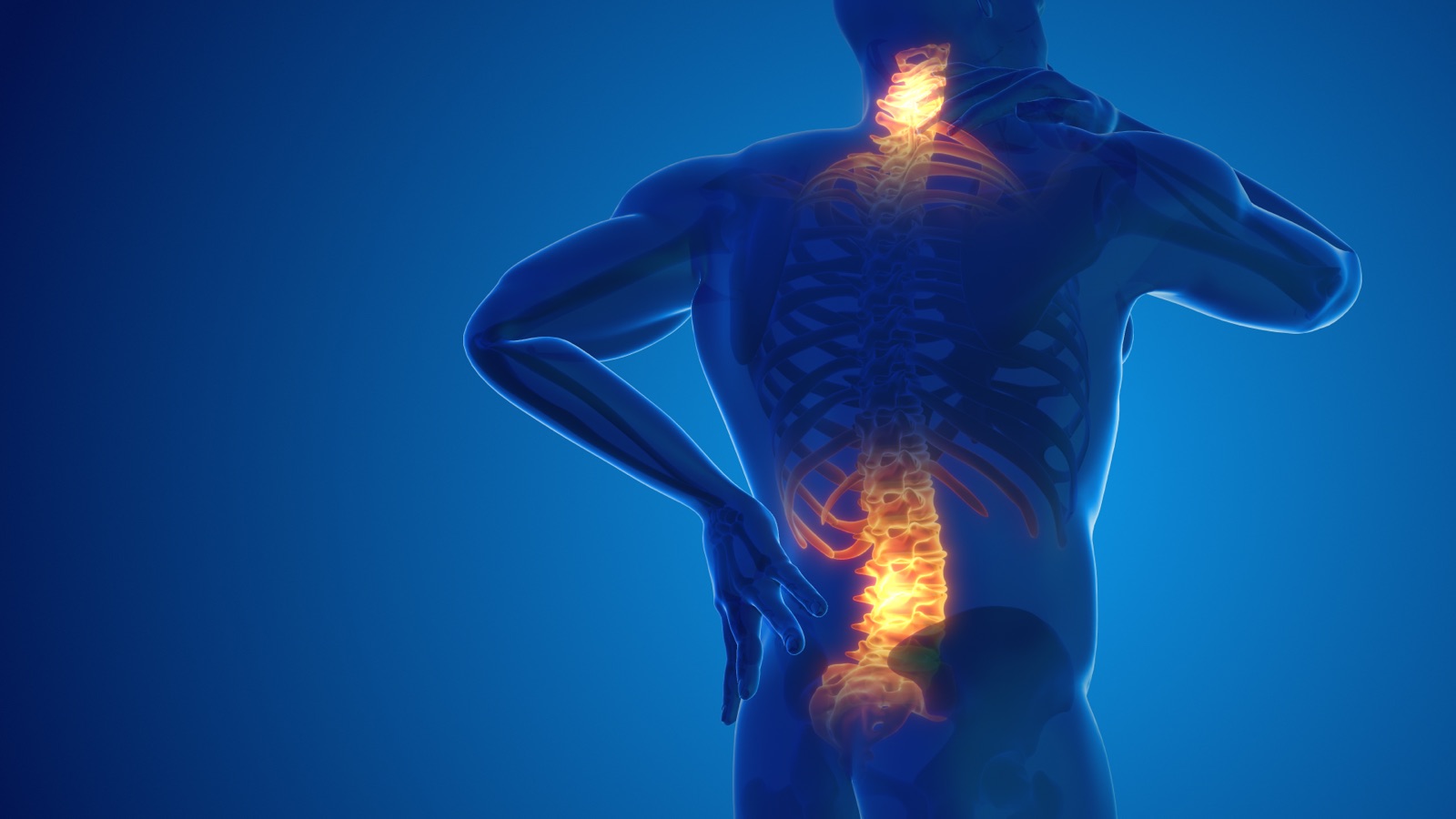
Back pain and lumbar conditions respond well to HakoMed therapy. Electrodes placed along the lumbar spine can reduce muscle spasm, improve local circulation, and support healing in the surrounding soft tissue structures.
Knee pain is another common application. HakoMed applied to the knee joint area helps reduce inflammation and support tissue recovery, particularly when combined with other modalities like class IV laser therapy and shockwave.
Shoulder, hip, and general musculoskeletal pain can also be treated with HakoMed. The therapy can be applied to virtually any area of the body where pain, inflammation, or tissue damage is present. Post-surgical recovery is another area where HakoMed has shown value, as the therapy can accelerate soft tissue healing around surgical sites when integrated into a rehabilitation protocol.
The versatility of HakoMed makes it a valuable addition to physical medicine care plans where the modality mix is customized to the individual patient's condition and clinical needs.
What to Expect During Treatment
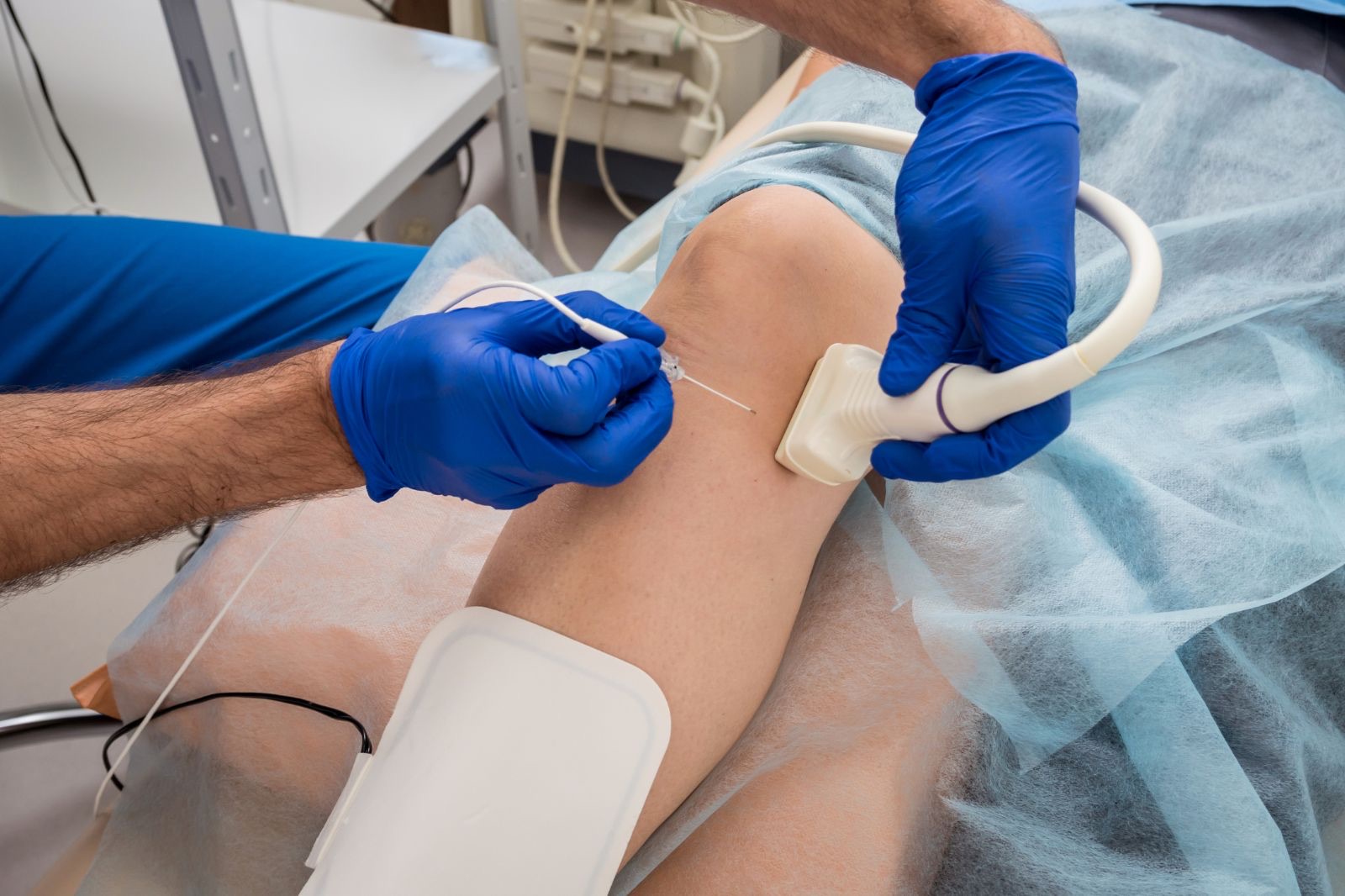
HakoMed treatment is performed in the clinic during a regular visit. Electrodes are placed on the skin over the treatment area. There are no needles, no incisions, and no downtime. Most patients describe the sensation as a mild tingling or pulsing. It is not painful.
Sessions last 15 to 20 minutes, and patients can relax during treatment. At Frontier, HakoMed is typically one of the first modalities a patient completes during their visit, followed by the other therapies on their care plan.
Results are cumulative. Individual sessions contribute to an overall improvement trajectory across the full course of treatment. The benefit builds over time as the tissue responds to repeated stimulation and the other modalities in the care plan reinforce the progress. Patients should not expect a single session to produce a dramatic change, but rather that each visit adds to the progress established by the sessions before it.