How Poor Circulation Causes Pain
Vascular problems in the legs can produce symptoms that closely mimic neuropathy: aching, burning, cramping, numbness, and heaviness. Both vascular and nerve-related pain can worsen with activity or standing and can disrupt sleep. The difference is the underlying mechanism. Neuropathy involves nerve dysfunction, while vascular pain results from compromised blood flow. Treating one when the other is the actual cause produces poor results. This is why vascular assessment should be part of any diagnostic workup for persistent lower extremity symptoms that have not responded to standard nerve-focused treatments.
Venous Insufficiency and Peripheral Arterial Disease
Venous insufficiency occurs when valves inside leg veins fail to move blood efficiently back to the heart. Blood pools in the lower extremities, causing heaviness, swelling, aching that worsens throughout the day, and restless legs at night. Varicose veins may or may not be visible.
Peripheral arterial disease (PAD) results from narrowed or blocked arteries reducing blood supply to the legs. The classic symptom is claudication, which is cramping pain that occurs reliably after a certain walking distance and resolves with rest. In advanced cases, PAD causes pain at rest and non-healing wounds. Venous insufficiency affects roughly 25 percent of U.S. adults, and PAD affects more than eight million Americans.
What Duplex Ultrasound Reveals
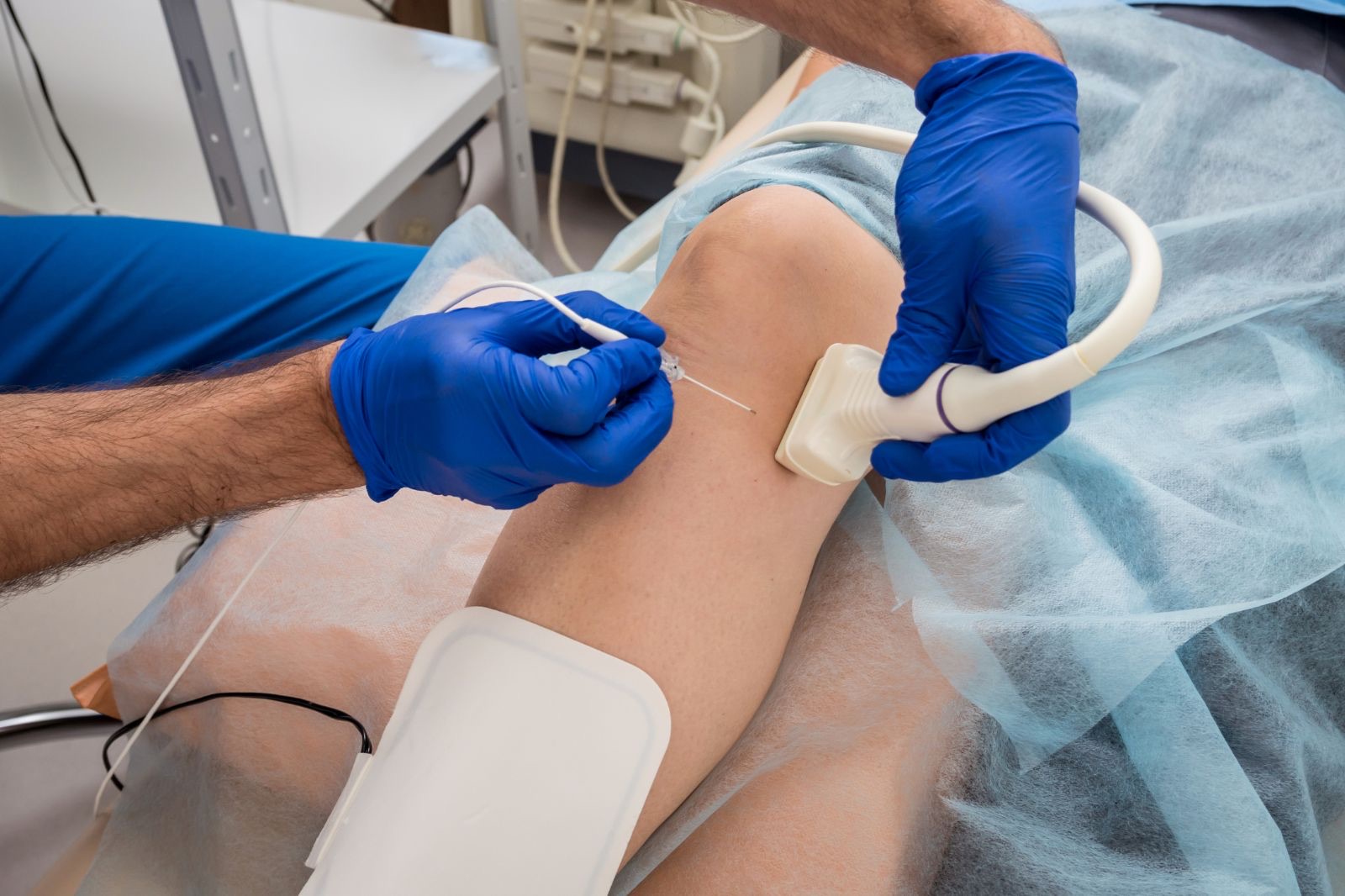
Many patients with vascular insufficiency go undiagnosed for years because their symptoms overlap with neuropathy and lumbar spine conditions. Duplex ultrasound is the primary diagnostic tool for evaluating blood flow in leg veins and arteries. It is non-invasive, produces no radiation, and provides real-time information about flow direction, valve function, and vessel patency.
It can identify deep vein thrombosis, venous reflux, and significant arterial narrowing. For patients whose leg pain has been attributed to spinal problems or neuropathy without improvement, vascular imaging often provides the missing diagnostic piece.
Treatment and Why It Matters
Vascular conditions do not resolve on their own. Untreated PAD can progress to limb-threatening ischemia. Untreated venous insufficiency worsens over time and can lead to skin changes and ulceration.
Venous disease can often be managed with compression therapy, lifestyle modification, or minimally invasive procedures like sclerotherapy or thermal ablation. Arterial disease may require vascular surgery consultation. When vascular problems are identified and treated appropriately, patients often experience significant improvement in symptoms that had been resistant to other interventions. If you have persistent leg pain, swelling, or cramping that has not been adequately explained, schedule an evaluation with our team.