
Let's Keep In Touch

(727) 777-6615

Spine and Disc Disorders

Frontier Pain Relief

Conditions

17 February, 2026

What Spinal Discs Do

Between each pair of vertebrae sits an intervertebral disc. It functions as both a shock absorber and a flexible connector, allowing the spine to bend, rotate, and bear load. Each disc has two parts: a tough fibrous outer ring (the annulus fibrosus) and a soft gel-like center (the nucleus pulposus). Healthy discs are mostly water, which gives them their cushioning capacity. With age, discs gradually lose hydration, becoming flatter and less pliable. This is a normal process, but in some patients it progresses to the point of causing chronic pain.

Herniation vs. Degeneration

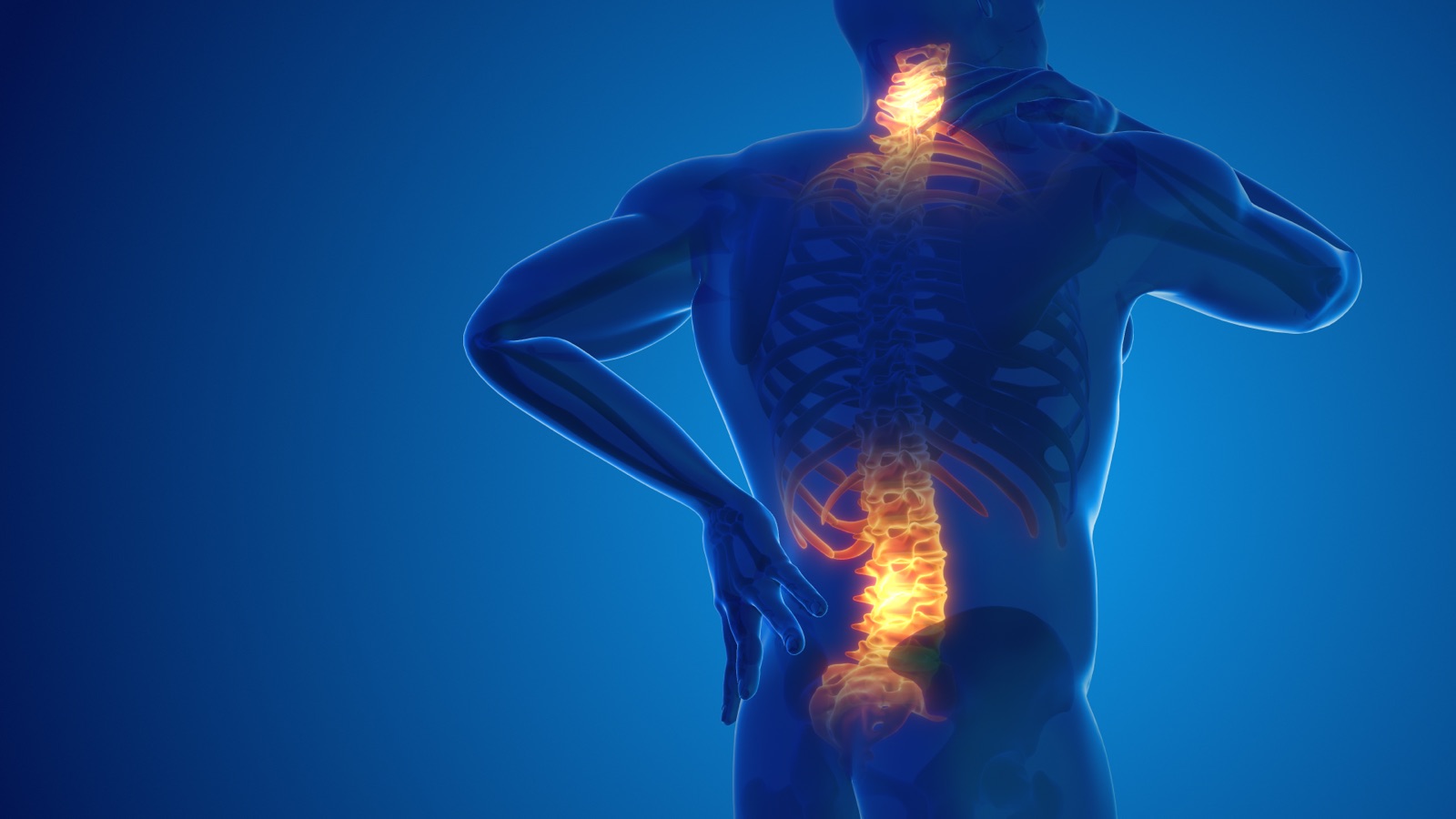
Disc degeneration and disc herniation are related but distinct. Degeneration refers to the gradual loss of disc height and hydration over time. Herniation occurs when the nucleus pulposus pushes through a tear in the annulus fibrosus, potentially contacting nearby nerve roots and causing radiating pain. A disc can herniate suddenly (after a lifting injury, for example) or gradually through accumulated stress. Both conditions can appear on the same MRI, and neither automatically requires surgery. The clinical significance of any imaging finding depends on whether it correlates with the patient's symptoms.

Why Imaging Alone Is Insufficient

What appears on an MRI and what a patient feels are not always directly connected. Large herniations can be completely asymptomatic. Small disc bulges can cause severe pain if they compress a nerve in a specific location. Degenerative changes at multiple levels are common in people over fifty who have no back pain at all. Imaging reveals anatomy, but it does not reveal which structure is generating pain. Physical examination and symptom history are necessary to correlate imaging findings with the patient's actual experience. This correlation determines whether a finding is clinically relevant or incidental.

Treatment Approaches

Treatment for disc-related pain depends on the type and severity of the problem. Many patients respond well to structured physical therapy, anti-inflammatory treatment, and activity modification. When nerve compression is significant, epidural steroid injections can reduce inflammation around the affected nerve root during the healing process. For patients with persistent or progressive symptoms, procedures such as nucleoplasty or spinal cord stimulation may be appropriate. The goal is to match the intervention to the patient's specific situation, avoiding both under-treatment of genuine pathology and over-treatment of incidental findings. If you have disc-related symptoms that have not been thoroughly evaluated, schedule an evaluation with our team.

More Articles

Spine & Disc Disorders

Spine & Disc Disorders

From herniated discs to degenerative spine disease.

Learn More
Vein & Vascular Disorders

Vein & Vascular Disorders

Treatment for circulation-related pain and swelling.

Learn More
Post-Surgical & Complex Pain

Post-Surgical & Complex Pain

Regenerative and interventional recovery support.

Learn More