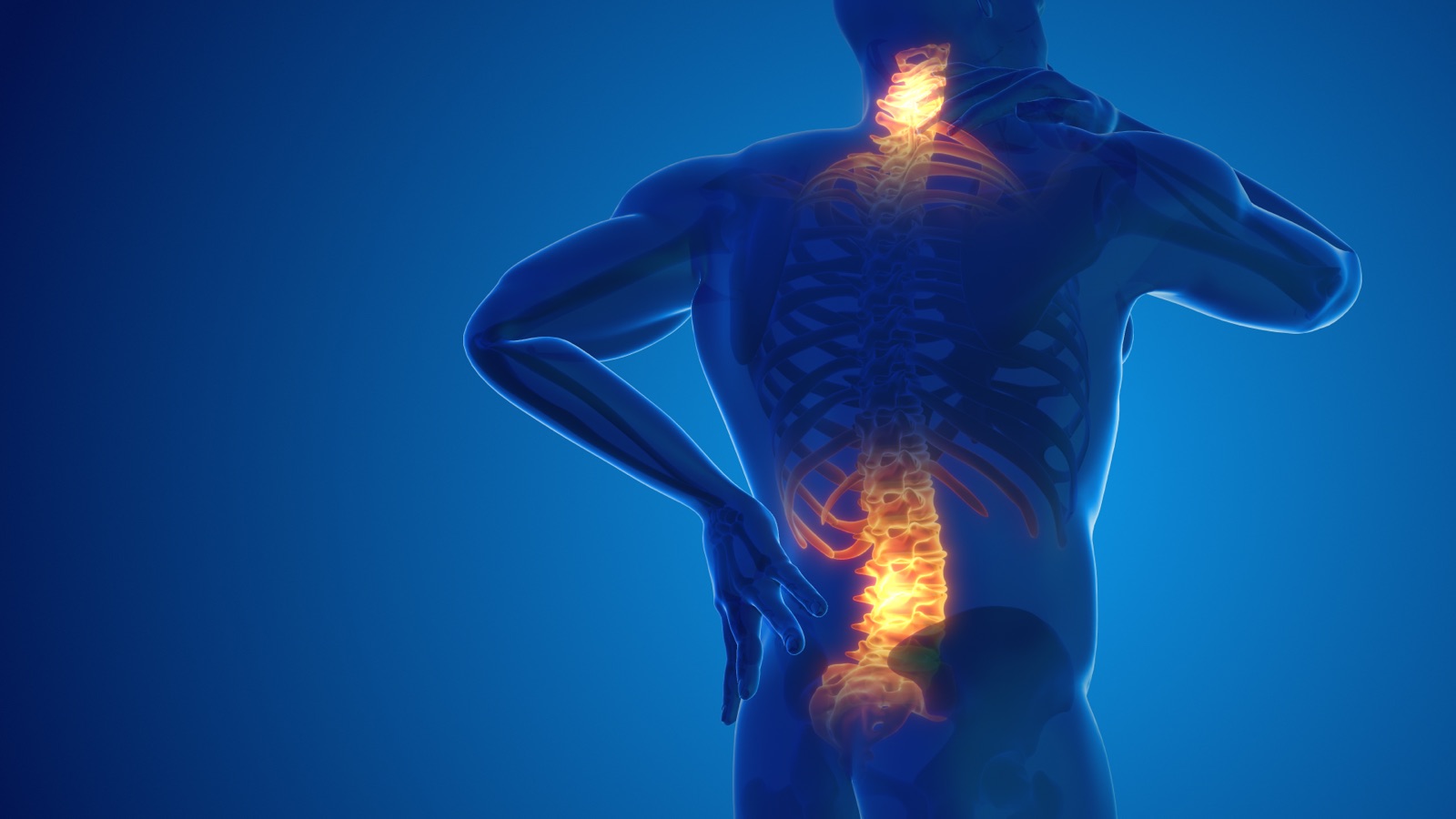
What Radiculopathy Is
Radiculopathy refers to pain, numbness, or weakness caused by a compressed or irritated nerve root in the spine. Sciatica is the most common form, involving the nerve roots that feed into the sciatic nerve. Unlike general back pain, which tends to stay localized, radiculopathy sends symptoms down a specific path. Patients typically describe shooting, burning, or electric sensations that travel from the lower back through the buttock and into the leg, sometimes reaching the foot. Numbness and tingling are also common. These symptoms follow a predictable nerve distribution, which is what distinguishes radiculopathy from ordinary muscle or joint pain.
Common Causes of Nerve Root Compression
Several structural problems can compress a nerve root. The most common is a herniated disc, where the soft inner material of a spinal disc pushes through its outer wall and contacts the adjacent nerve. Spinal stenosis (narrowing of the spinal canal) is another frequent cause, particularly in patients over 60. Bone spurs from degenerative arthritis, spondylolisthesis (one vertebra slipping forward over another), and piriformis syndrome can all produce similar radiating symptoms.
The cause matters because treatment differs significantly depending on what is creating the compression. A disc herniation in a younger patient responds to different interventions than stenosis in an older patient. Accurate diagnosis requires both clinical examination and appropriate imaging.
How It Differs From General Back Pain
General back pain is usually muscular or related to joint stiffness. It responds to rest, over-the-counter medication, and time. Radiculopathy involves an actual nerve being compressed, which means the symptoms tend to follow a specific dermatome (an area of skin served by one nerve root). This is why a patient might feel numbness in the outer calf but not the inner calf, or weakness when lifting the foot but not when pushing off.
When nerve compression persists, the nerve itself can sustain damage beyond simple irritation. Prolonged compression can lead to lasting weakness or sensory loss. This is why persistent radiating symptoms, especially those involving weakness or changes in bladder or bowel function, warrant prompt evaluation rather than a wait-and-see approach.
When to Seek Evaluation
Sciatica symptoms often fluctuate. A patient may feel better for weeks, then experience a more severe episode. This pattern can repeat and worsen over time if the underlying structural cause is not addressed. A thorough evaluation includes a detailed history, neurological testing (reflexes, strength, sensation), and imaging when indicated.
Red flags that call for urgent evaluation include progressive leg weakness, numbness in the groin or saddle area, and changes in bladder or bowel control. Even without these, radiating leg pain lasting more than four to six weeks is generally worth investigating to understand what is causing the compression and whether intervention would be beneficial. If you are dealing with persistent radiating symptoms, schedule an evaluation with our team.