What a Standard Nerve Conduction Study Actually Tests
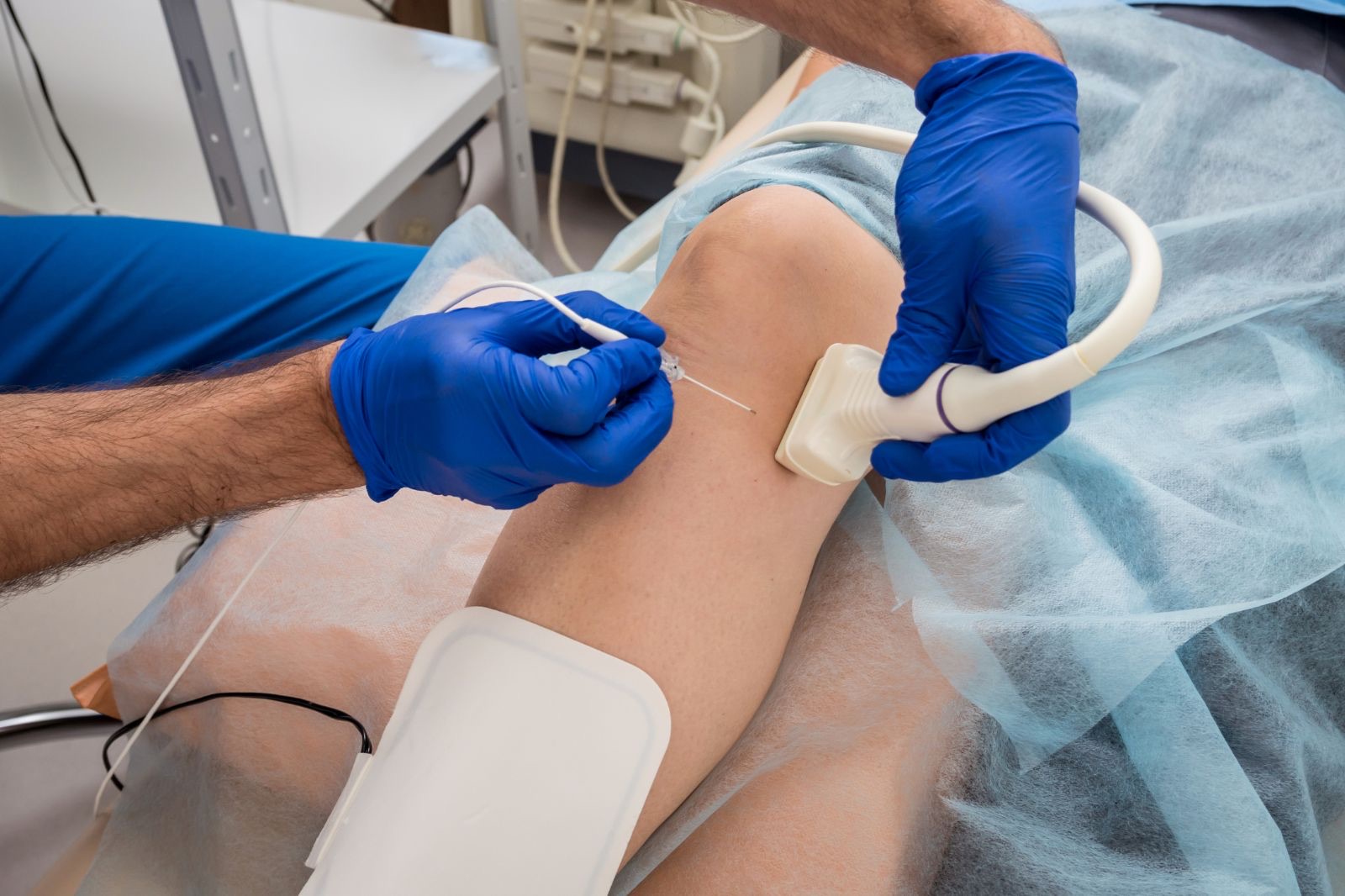
A nerve conduction study, often referred to as NCS or NCV (nerve conduction velocity), is one of the most commonly ordered diagnostic tests for patients presenting with numbness, tingling, burning, or weakness in the extremities. During the test, small electrodes are placed on the skin along a nerve pathway and a mild electrical impulse is sent through the nerve. The machine measures how quickly the signal travels and how strong it is when it arrives. An electromyography, or EMG, is often performed at the same time. This involves inserting a thin needle electrode into specific muscles to measure their electrical activity at rest and during contraction.
These tests are well-established and clinically valuable for what they are designed to detect. The problem is that they only assess large myelinated nerve fibers, the A-beta fibers responsible for vibration sense, proprioception, and motor function. They do not measure the function of small fibers. For patients whose neuropathy is in its early stages, this is a critical limitation that is not always explained at the time of testing.
The Small Fiber Gap
Peripheral neuropathy typically begins in the smallest nerve fibers and progresses to larger ones over time. Small fibers, specifically C-fibers and A-delta fibers, are responsible for pain perception, temperature sensation, and autonomic functions like sweating and blood pressure regulation. These are the fibers that produce the burning, tingling, stabbing, and temperature sensitivity that characterize early neuropathy. Large fibers, which handle vibration, touch pressure, and motor control, are usually affected later in the disease process.
This means that a patient can have significant small fiber neuropathy with real, measurable nerve damage and still produce a completely normal nerve conduction study. The test is not broken. It is simply not designed to assess the fibers that are damaged. The clinical consequence is that many patients with genuine neuropathy are told their test results are normal, which is often interpreted as meaning nothing is wrong. Some patients are told their symptoms are stress-related, age-related, or unexplained. In some cases, the evaluation stops there entirely and no further workup is pursued. Meanwhile the small fiber damage continues to progress, and by the time it advances to involve large fibers that would show up on an NCS, the window for early intervention has narrowed considerably.
How Small Fiber Neuropathy Is Actually Diagnosed
When small fiber neuropathy is suspected, there are diagnostic tools that can detect it directly. The most definitive is an epidermal nerve fiber density biopsy, commonly called a skin punch biopsy. This is a simple office procedure where a small 3mm skin sample is taken, typically from the ankle and the thigh. The sample is sent to a specialized laboratory where the number of small nerve fiber endings in the epidermis is counted under a microscope. If the fiber density is below the established normative value for the patient's age, small fiber neuropathy is confirmed. This test directly measures what an NCS cannot.
Other diagnostic tools include quantitative sudomotor axon reflex testing (QSART), which evaluates autonomic small fiber function by measuring sweat output in response to a stimulus, and quantitative sensory testing (QST), which assesses the patient's ability to detect graduated changes in temperature and vibration. A comprehensive clinical neurological assessment, including evaluation of reflexes, sensation to light touch, pinprick, temperature, vibration, and proprioception across multiple dermatomes, provides essential information about the distribution and severity of nerve involvement that no single test can capture on its own.
How We Evaluate Neuropathy at Frontier
At Frontier Pain Relief, we do not rely on a single test to determine whether a patient has neuropathy or to assess its severity. Our evaluation process is designed to identify nerve involvement that standard testing may miss and to establish a clear clinical picture that informs treatment decisions. That process may include a detailed multi-point neurological assessment evaluating sensation, reflexes, strength, coordination, and nerve function across the upper and lower extremities. It may include nerve conduction studies when appropriate, with the understanding that a normal result does not rule out small fiber involvement. For patients where small fiber neuropathy is suspected, we coordinate biopsy referrals for epidermal nerve fiber density testing to get a definitive answer.
The goal of a thorough diagnostic workup is not to run tests for the sake of running tests. It is to understand exactly what is happening with the patient's nerves so that the treatment plan addresses the right problem. A patient with confirmed small fiber neuropathy affecting the lower extremities needs a different approach than a patient with large fiber motor neuropathy or a patient with radiculopathy being misdiagnosed as peripheral neuropathy. Getting the diagnosis right is the first step in getting the treatment right. If you have been experiencing neuropathy symptoms and have either not been evaluated thoroughly or were told your nerve test was normal despite ongoing symptoms, a comprehensive assessment with our team may provide the clarity you have been looking for.