What Neuropathy Actually Is
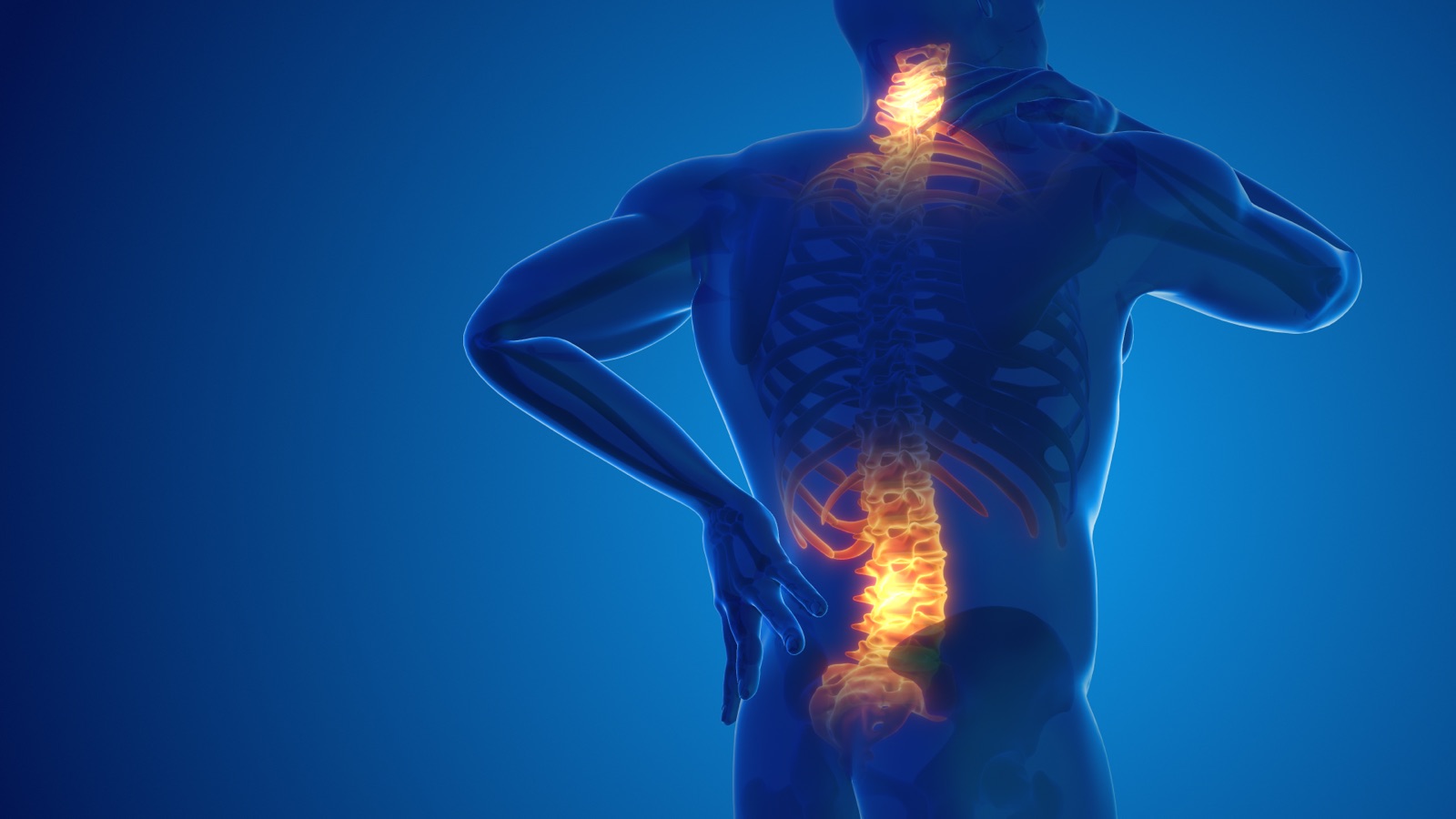
Neuropathy refers to damage in the peripheral nerves, the ones that connect your brain and spinal cord to the rest of your body. These nerves handle sensation, muscle control, and automatic functions like blood pressure and sweating. When they're damaged, the signals they carry become unreliable. Burning, tingling, numbness, stabbing pain, weakness, and poor balance are all common presentations. The specific symptoms a patient has depend on which nerves are involved and how much damage has occurred, which is why neuropathy looks different from person to person.
The 100+ Causes and Why They Matter
There are over 100 documented causes of neuropathy. Diabetes is the most common, but vitamin deficiencies (especially B12), autoimmune disorders, chemotherapy, thyroid disease, chronic alcohol use, infections like shingles, and surgical complications are all on the list. In some cases, no clear cause is ever identified.
The cause matters because it determines the treatment path. A patient with neuropathy from a B12 deficiency can often see meaningful improvement once the deficiency is corrected. A patient with long-standing diabetic nerve damage is dealing with a different situation entirely. Identifying the underlying driver is the first step in figuring out what can realistically be done.
How Nerve Damage Progresses
Neuropathy is usually progressive. It typically starts in the toes or fingertips and works its way inward over time. Many patients don't seek care until the numbness has spread to the feet and ankles, their balance has declined, or they've started having falls.
Peripheral nerves do have some capacity to regenerate, but that capacity diminishes as the damage advances. Nerve fibers that are weakened but still intact respond to treatment significantly better than fibers that have already been lost. Earlier evaluation generally means more treatment options and better outcomes.
Treatment Approaches at Frontier
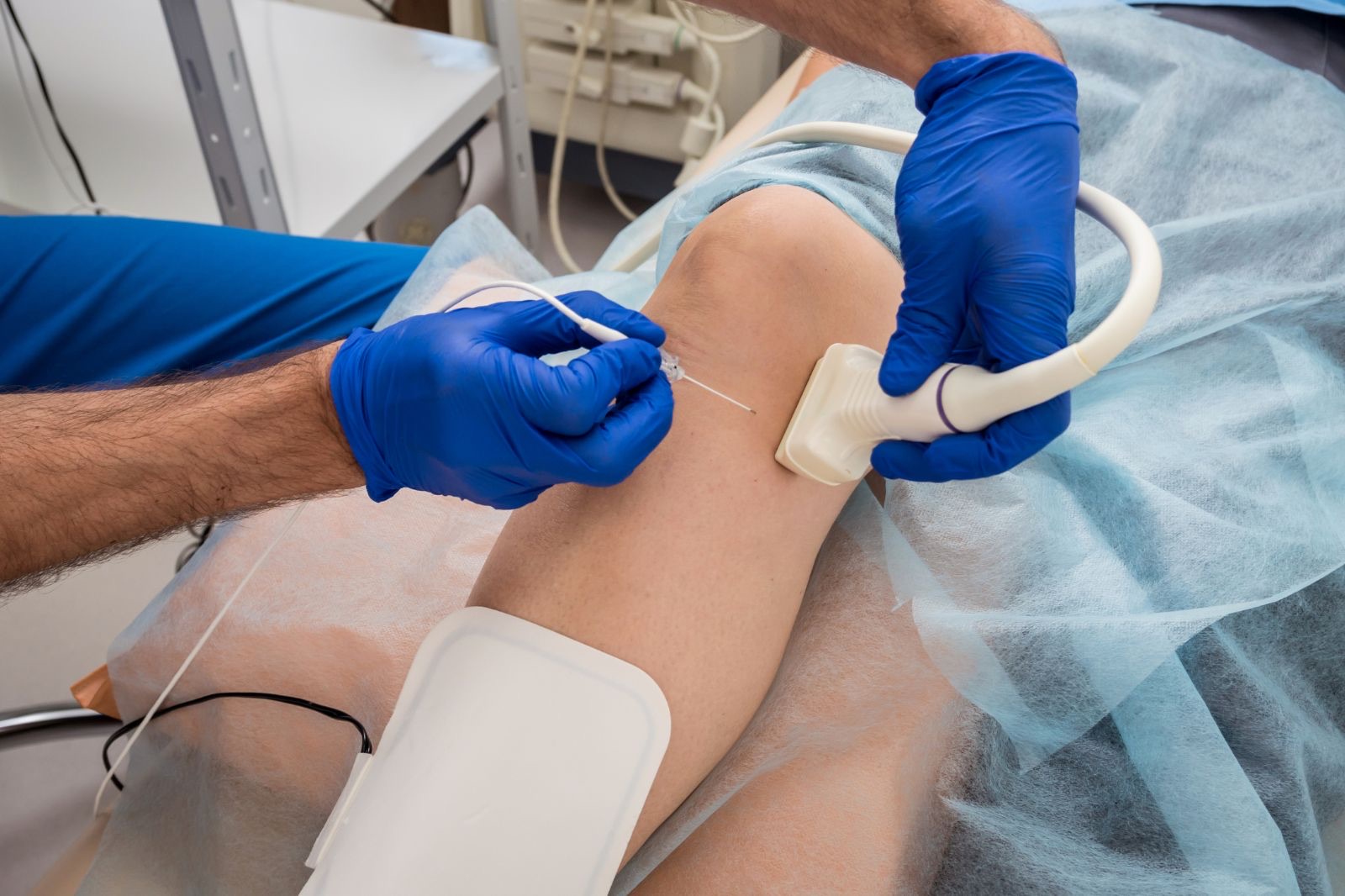
Treatment depends on both the cause and the current stage of nerve damage. When the cause is reversible, addressing it directly can slow or stop progression. For symptom management and nerve recovery, we use a non-narcotic approach that may include electrical nerve stimulation, regenerative medicine and PRP, spinal cord stimulation, chiropractic care and rehabilitation, or targeted nerve blocks. The specific combination is based on which nerves are affected, the severity of the damage, and what the patient is trying to get back to functionally.
If you have persistent numbness, burning, tingling, or balance problems that haven't been thoroughly evaluated, schedule an evaluation with our team.