How Most Patients End Up at Knee Replacement
The typical journey for a patient with chronic knee pain follows a remarkably predictable pattern. It usually starts with a visit to a primary care physician, who prescribes an anti-inflammatory medication and recommends rest. If the pain persists, the patient is referred to an orthopedic surgeon. The orthopedist orders imaging, confirms some degree of cartilage loss or osteoarthritis, and begins a cycle of cortisone injections spaced three to four months apart. Between injections, the patient is told to manage symptoms with over-the-counter pain medication and possibly a short course of physical therapy.
This cycle continues for months or years. The cortisone provides temporary relief that diminishes with each subsequent injection. The underlying condition is never addressed. No one investigates why the joint is degenerating at the rate it is, whether the pain is coming exclusively from the joint itself or also from surrounding soft tissue, or whether there are interventional or regenerative options that could change the trajectory. Eventually, the patient is told the joint is "bone on bone" and that replacement is the only remaining option.
What is rarely discussed is that this pathway treats the symptom at every step without ever attempting to modify the disease process or explore the full range of available interventions. The patient arrives at surgery not because every option was exhausted, but because the only options presented were medication, cortisone, and eventually a prosthetic joint.
The Cortisone Problem
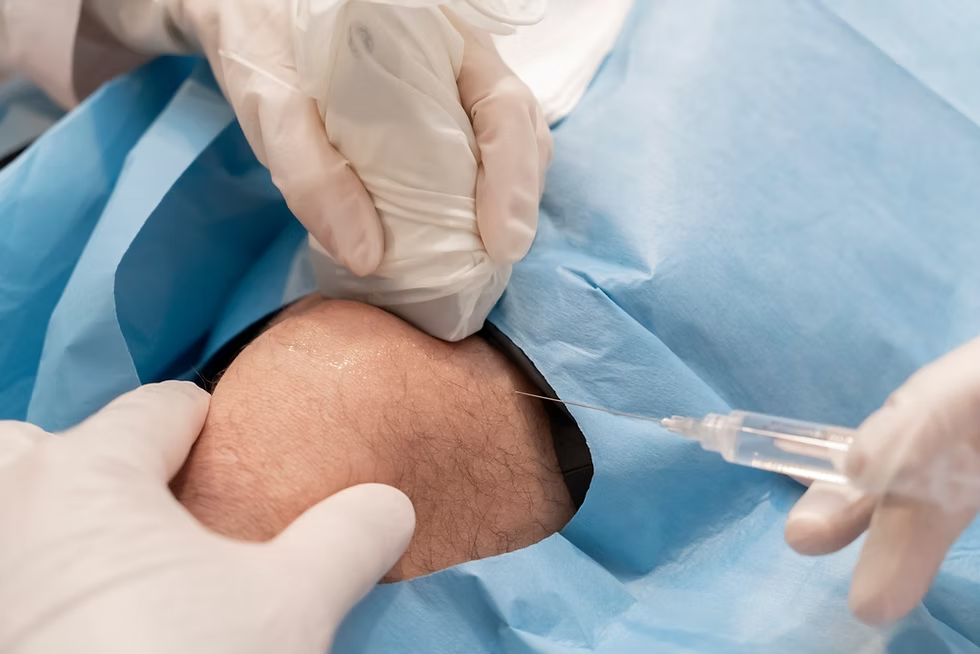
Cortisone injections remain the most commonly prescribed intervention for knee osteoarthritis, and most patients receive them with the understanding that they are a safe, temporary measure to manage inflammation and buy time. What is rarely explained is what the research has shown about their long-term effects on the joint itself.
A 2017 randomized controlled trial published in JAMA followed patients receiving triamcinolone injections every three months for two years compared to saline placebo injections. The corticosteroid group showed significantly greater cartilage volume loss on MRI with no significant difference in pain outcomes compared to the placebo group. In other words, the patients who received cortisone lost more cartilage and did not experience meaningfully better pain relief than those who received saltwater.
A 2019 study published in Radiology using data from the Osteoarthritis Initiative found that patients who received corticosteroid injections had significantly greater progression of osteoarthritis on imaging compared to matched controls who did not receive injections. The study specifically noted accelerated joint space narrowing and increased incidence of subchondral insufficiency fractures in the injection group.
None of this means that cortisone injections are never appropriate. In specific clinical scenarios, a single diagnostic or therapeutic injection can be a reasonable tool. The concern is with the reflexive, repeated use of cortisone as the default management strategy for knee pain over months and years, particularly when no other interventions are being pursued in parallel. The patient who receives eight cortisone injections over two years and is then told they need a knee replacement has a right to ask whether that trajectory was influenced by the treatment itself.
Knee Replacement by the Numbers
Total knee arthroplasty is one of the most commonly performed elective surgeries in the United States, with over 750,000 procedures performed annually. It is a well-established surgery with decades of outcomes data, and for the right patient at the right time, it can be a life-changing procedure. But the decision to proceed should be made with a clear understanding of what the data actually shows.
Complication rates for primary total knee replacement range from 5 to 8 percent within the first 90 days, depending on the study and patient population. These include surgical site infection, deep vein thrombosis, pulmonary embolism, wound healing complications, periprosthetic fracture, and nerve damage. Infection rates alone range from 1 to 2 percent, and a deep prosthetic joint infection typically requires additional surgery, prolonged antibiotic therapy, and in some cases complete removal and reimplantation of the prosthesis.
Perhaps the most underreported outcome is persistent pain after surgery. Published studies consistently show that 15 to 25 percent of patients report ongoing pain following total knee replacement. A 2019 systematic review in the Journal of Arthroplasty found that approximately 20 percent of patients were dissatisfied with the outcome of their surgery, citing persistent pain, stiffness, or failure to meet functional expectations. These are not patients with complications. These are patients whose surgery was technically successful but who did not achieve the relief they were expecting.
Implant longevity is another factor that is often glossed over. Modern knee implants are designed to last 15 to 20 years under normal use. For a patient who undergoes replacement at age 55, there is a realistic probability that they will require a revision surgery in their lifetime. Revision knee replacement is a significantly more complex procedure than the original, with higher complication rates, longer recovery, and generally less favorable outcomes. The revision rate for total knee replacement is approximately 5 to 7 percent at 10 years, and increases substantially beyond that timeframe.
What to Consider Before Agreeing to Surgery
This article is not an argument against knee replacement. For patients with severe, end-stage joint disease who have genuinely exhausted all other options, replacement surgery can restore mobility and quality of life in a way that no other intervention can. The issue is with how patients arrive at that decision and whether the full picture has been presented before they agree to an irreversible procedure.
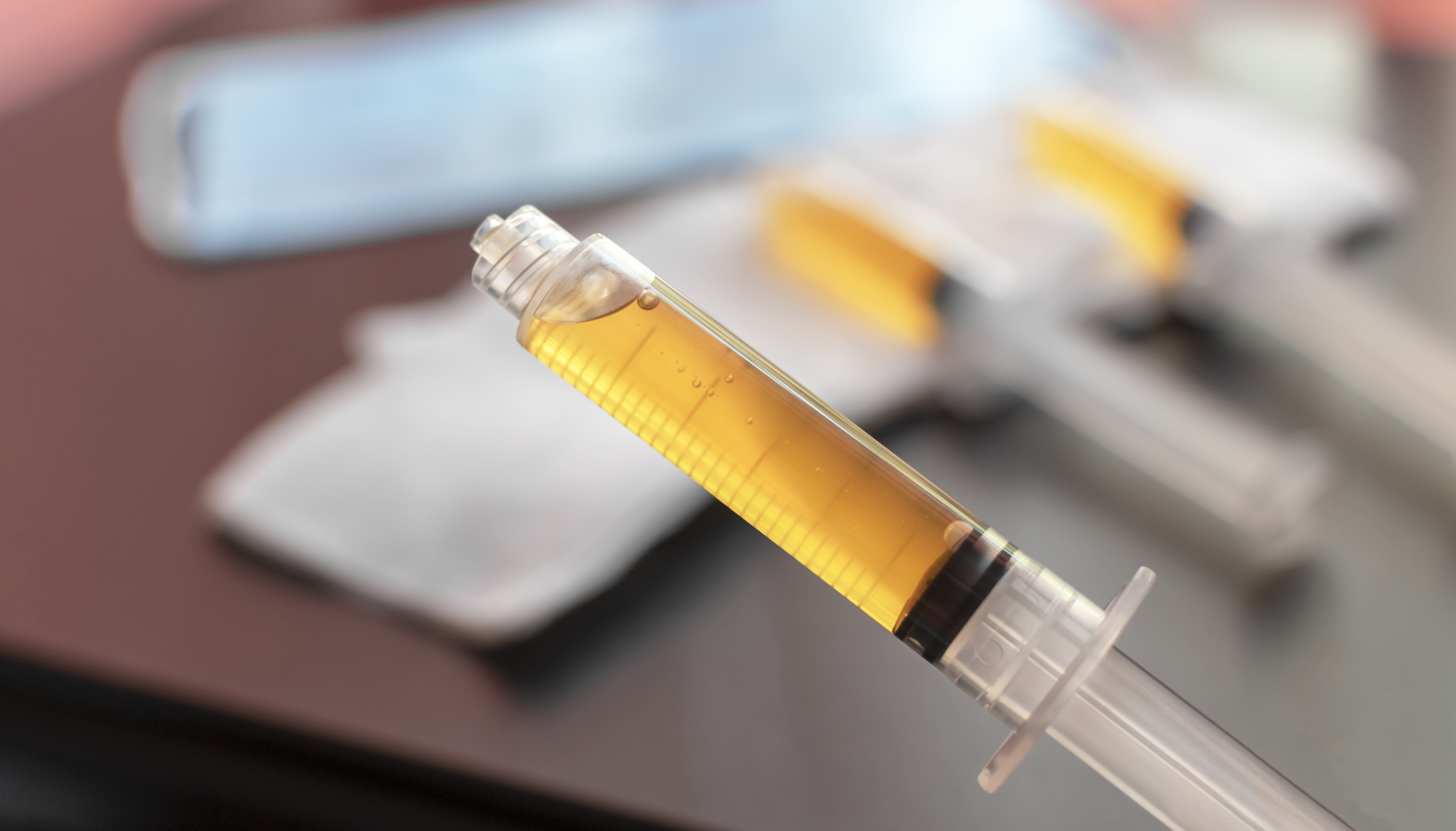
Before scheduling surgery, it is worth asking some direct questions. Has the source of pain been thoroughly evaluated beyond standard imaging? Knee pain is not always exclusively articular. Referred pain from the lumbar spine, hip pathology, myofascial dysfunction, and nerve-related pain can all present as knee pain and will not be resolved by replacing the joint. Have regenerative therapies been discussed? Platelet-rich plasma and biologic injections have shown promising results in early to moderate osteoarthritis and carry a fraction of the risk profile of surgery. Have interventional options like genicular nerve blocks or radiofrequency ablation been considered? These procedures can provide significant pain relief by targeting the sensory nerves that innervate the knee joint, without altering the joint itself.
The goal of asking these questions is not to delay necessary surgery. It is to ensure that the decision is fully informed and that every reasonable alternative has been explored. An irreversible procedure deserves that level of diligence. If you are being recommended for knee replacement and want to understand what options may still be available, a comprehensive evaluation is a reasonable next step before making a final decision.