How Osteoarthritis Develops
Osteoarthritis is the most common form of joint disease. It develops when the cartilage that cushions bone ends gradually wears down, leading to pain, stiffness, and reduced range of motion. The process is driven by a combination of factors including age, prior injury, body weight, genetics, joint alignment, and previous surgeries. Some patients develop severe arthritis in their forties while others maintain relatively healthy joints into their seventies. The rate of degeneration varies significantly, which is why understanding the specific contributing factors in each patient guides treatment decisions.
Other Causes of Joint Pain
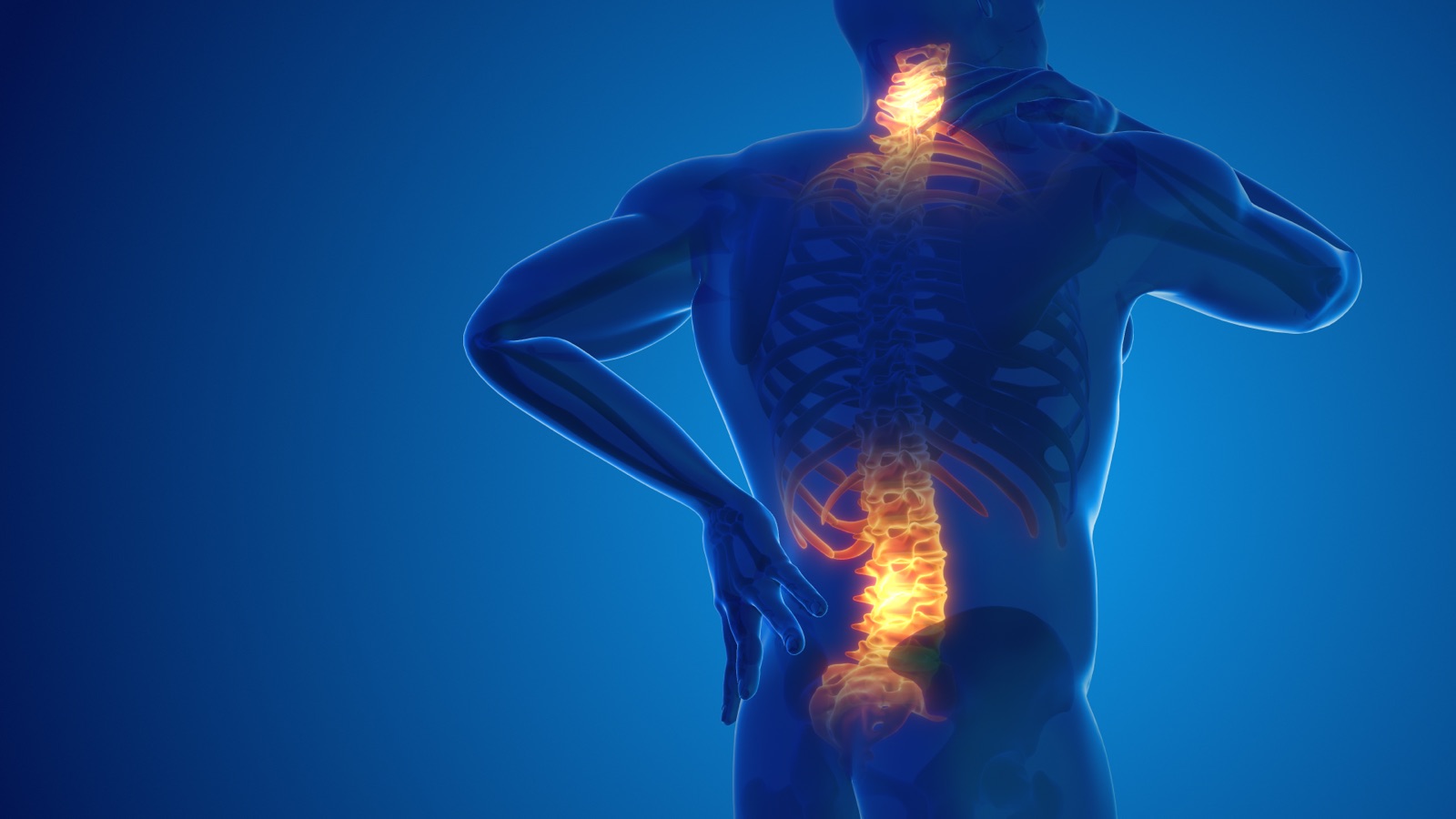
Osteoarthritis is not the only source of knee and joint pain. Meniscal tears (from acute injury or gradual degeneration) can produce pain, swelling, and mechanical symptoms like locking or giving way. Patellofemoral syndrome affects the joint between the kneecap and femur. Tendinopathies of the patellar or quadriceps tendons are sometimes mistaken for arthritis. Bursitis, ligament instability, and referred pain from the lumbar spine or hip can all present as knee pain.
A proper evaluation distinguishes between these causes because the treatments differ. A meniscal tear requires a different approach than cartilage degeneration, and referred pain from the hip or spine will not respond to knee-specific interventions.
Treatment Options Beyond Cortisone
Corticosteroid injections can reduce inflammation during an acute flare, but they are not a long-term solution. Repeated steroid injections may accelerate cartilage breakdown over time. Several other options exist for managing joint pain.
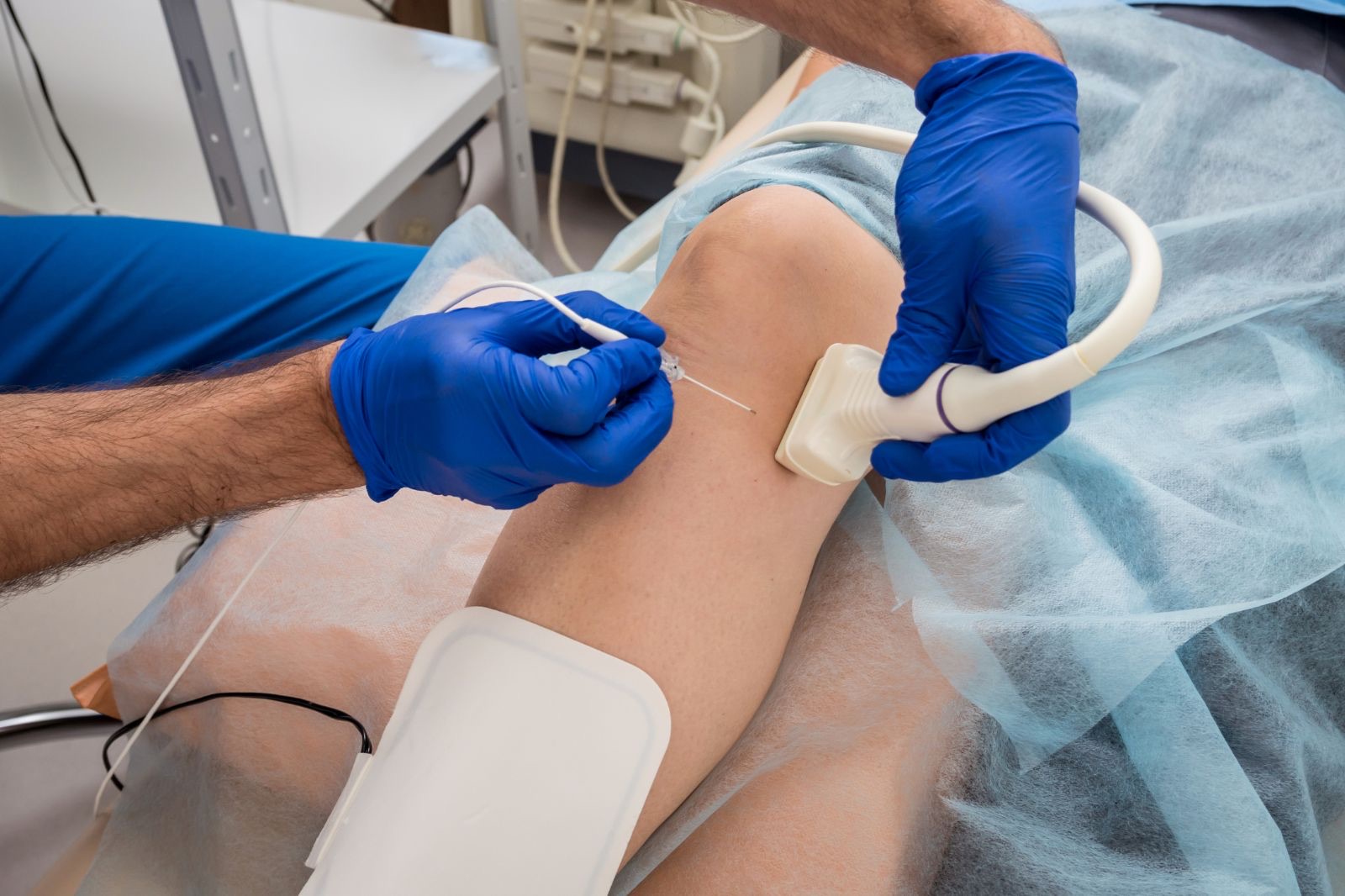
Hyaluronic acid injections (viscosupplementation) help restore the lubricating properties of synovial fluid. Platelet-rich plasma (PRP) therapy uses concentrated growth factors from the patient's own blood to support tissue repair. Genicular nerve blocks target the sensory nerves around the knee to reduce pain without affecting joint structure. Physical rehabilitation strengthens the muscles that support the joint, reducing load on damaged cartilage. The appropriate combination depends on the stage of disease, the patient's activity goals, and whether surgery is being considered.
When to Get Evaluated
Joint pain that limits daily activities, disrupts sleep, or has not responded to over-the-counter medications and rest is worth evaluating. Some patients come to us after being told they need a joint replacement but want to explore conservative options first. Others come after a replacement that did not fully resolve their pain. A pain management evaluation clarifies what is generating the pain, what non-surgical options are available, and what realistic improvement looks like at any stage of joint disease. If you are dealing with persistent joint pain, schedule an evaluation with our team.