

Let's Keep In Touch

(727) 777-6615

Back and Neck Pain

Frontier Pain Relief

Conditions

20 January, 2026

The Leading Cause of Disability

Back and neck pain is the number one cause of disability worldwide. It affects people across all age groups and activity levels. The problem is common enough that many patients treat it as something to simply push through, but chronic spine pain that goes undiagnosed often worsens over time. A pulled muscle, a degenerative disc, and a compressed nerve can all produce similar symptoms, yet they require entirely different treatment approaches. Getting the diagnosis right is the most important first step.

Structural Causes of Spine Pain

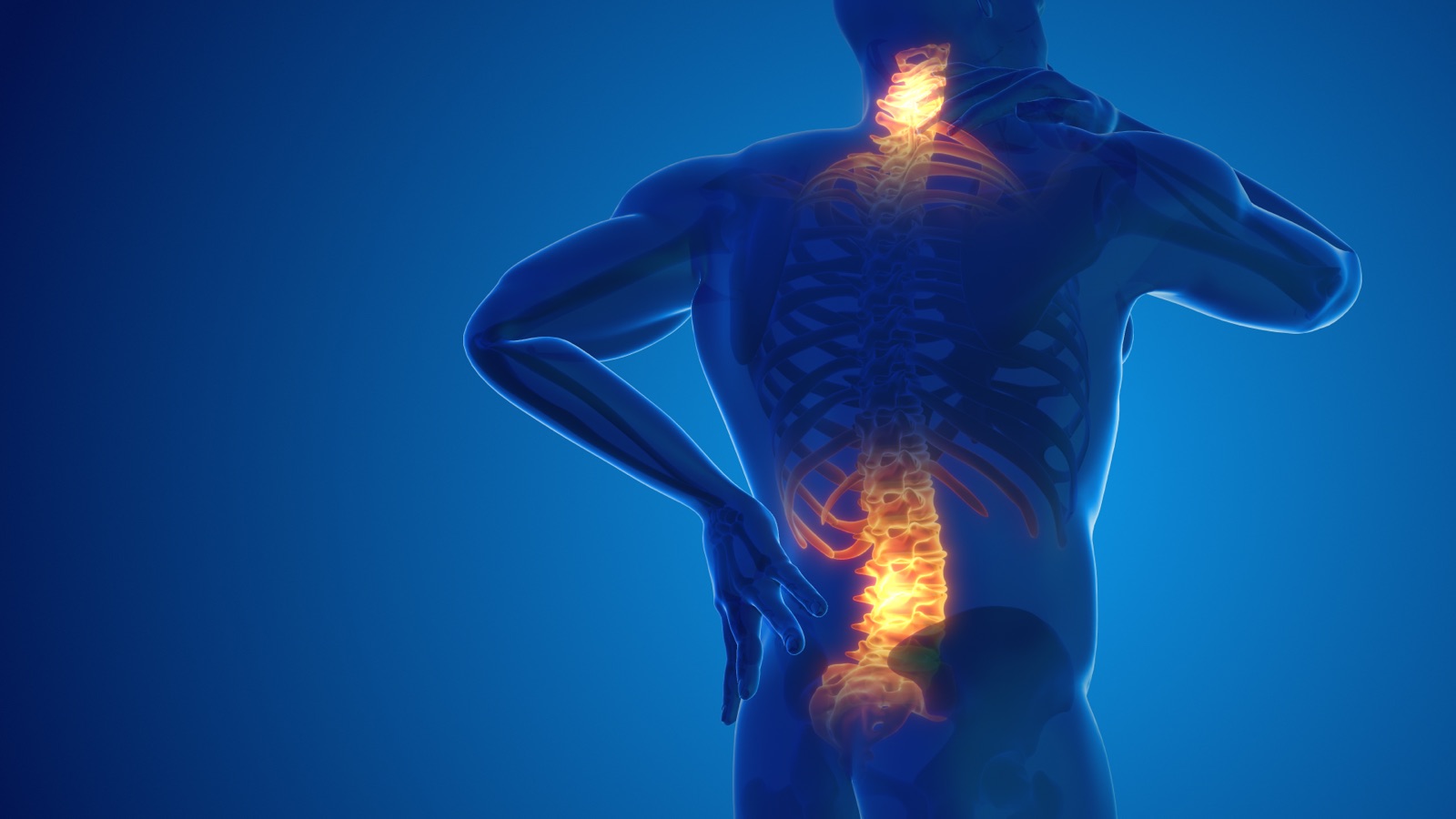
The spine is a complex structure. Each vertebra connects to the next through a disc (which absorbs shock) and two facet joints (which guide movement). The cervical spine carries the weight of the head and allows rotation. The lumbar spine bears the load of the entire upper body. Pain can originate from any of these structures. Common structural causes include degenerative disc disease, facet joint arthritis, disc herniations, ligament instability, and sacroiliac joint dysfunction. Cervical problems can produce headaches, arm pain, and hand weakness. Lumbar problems can cause hip pain, groin pain, and leg symptoms. These referred patterns sometimes lead to misdiagnosis when the source is not properly evaluated.

Why Accurate Diagnosis Matters

Many patients with chronic back or neck pain have received only a general diagnosis like "muscle strain" or "arthritis" without further investigation into which specific structure is generating the pain. This leads to generic treatment that may not address the actual problem. A proper diagnostic workup correlates the patient's symptoms, physical examination findings, and imaging together. Diagnostic injections can confirm whether a specific structure (such as a facet joint or nerve root) is the pain generator. Once the source is confirmed, treatment can be targeted rather than general.

Imaging in Context

MRI and X-ray findings must be interpreted carefully. Research consistently shows that many people with no back pain at all have degenerative changes visible on imaging. Conversely, some patients with significant pain have imaging that looks relatively normal. The image alone does not tell the full story. What matters is whether the findings on imaging match the patient's clinical presentation. A bulging disc at L4-L5, for example, is only relevant if the patient's symptoms follow the L4 or L5 nerve distribution. This is why clinical correlation is essential before recommending any intervention. If you have persistent back or neck pain that has not been thoroughly evaluated, schedule an evaluation with our team.

More Articles

Spine & Disc Disorders

Spine & Disc Disorders

From herniated discs to degenerative spine disease.

Learn More
Vein & Vascular Disorders

Vein & Vascular Disorders

Treatment for circulation-related pain and swelling.

Learn More
Post-Surgical & Complex Pain

Post-Surgical & Complex Pain

Regenerative and interventional recovery support.

Learn More