
When Vein Problems Become Pain Problems
Vein and vascular disorders are one of the most overlooked causes of chronic leg pain, swelling, and numbness. Poor circulation from venous insufficiency can produce symptoms that closely mimic neuropathy — making accurate vascular screening essential before any treatment plan is built. Many patients have been treated for years for the wrong condition simply because their circulation was never properly evaluated.
Common Symptoms

Leg pain, heaviness, or fatigue that worsens throughout the day
Visible varicose or spider veins
Swelling in the lower legs or ankles
Numbness, tingling, or burning that mimics neuropathy
Skin discoloration or slow-healing wounds near the ankles
Restless legs or cramping at night

Understanding Vein & Vascular Disorders
What You May Be Experiencing
Symptoms and Warning Signs
Vein and vascular disorders present in many ways. If you are experiencing any of these, a vascular evaluation may be the right next step:

Numbness and Poor Circulation
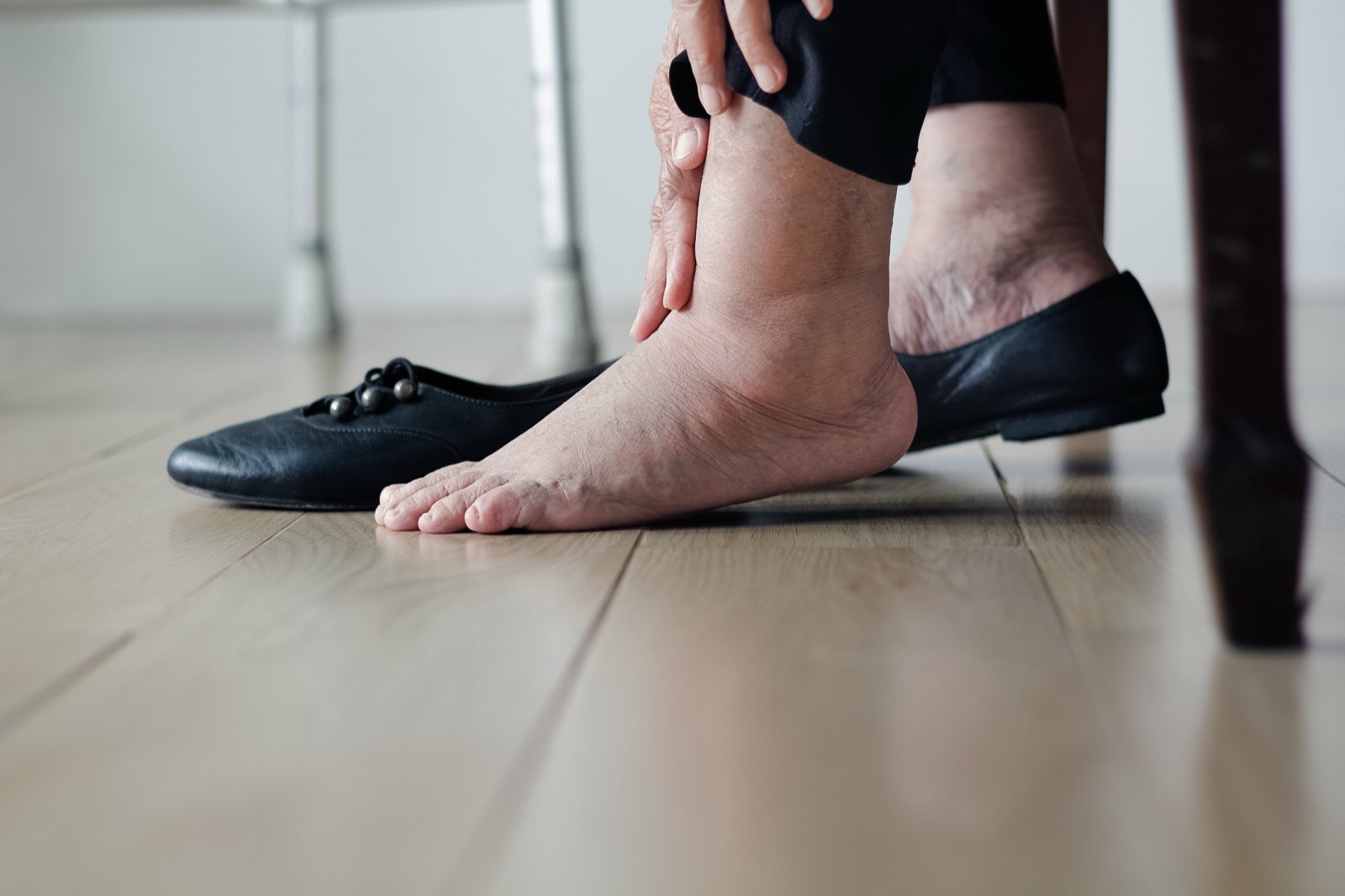
Chronic Leg Pain and Swelling
Caused by blood pooling and venous insufficiency — often mistaken for musculoskeletal pain.

Varicose and Spider Veins

How We Treat It
Treatment Options at Frontier
These are some of the most common therapies indicated for vein and vascular disorders — not an exhaustive list. Your provider will recommend the right approach based on your diagnostic findings.
Duplex Ultrasound Screening
Non-invasive diagnostic imaging that maps blood flow and identifies valve dysfunction, blood clots, and areas of venous insufficiency.
Learn more →Radiofrequency Vein Ablation
A minimally invasive procedure that uses heat to seal off damaged veins, redirecting blood flow to healthy vessels and relieving symptoms.
Learn more →Sclerotherapy
A targeted injection that closes off varicose and spider veins, improving circulation and reducing visible vein appearance.
Learn more →Compression Therapy
Medical-grade compression garments that support venous return, reduce swelling, and manage symptoms during and after treatment.
Learn more →Lifestyle & Circulation Management
Guided exercise, elevation protocols, and activity modifications designed to improve venous function and prevent disease progression.
Learn more →
Why Frontier Pain Relief
Why Choose Frontier Pain Relief
Most pain clinics never evaluate the vascular system. At Frontier, vein and vascular screening is part of our standard workup for patients with leg pain, swelling, numbness, or neuropathic symptoms. When a vascular issue is contributing to pain, we treat it in-house with safe, outpatient procedures — no hospital stays, no referral runaround.