Targeted Care for Complex Spine Conditions
Spine and disc disorders — including herniated discs, degenerative disc disease, spinal stenosis, and facet joint dysfunction — can produce debilitating pain that limits every aspect of daily life. Treatment options range from conservative rehabilitation through interventional procedures and, when necessary, minimally invasive surgery. The right approach depends entirely on an accurate diagnosis, which is why every patient starts with a comprehensive clinical and imaging evaluation.
Common Symptoms

Persistent deep aching in the lower back or neck
Sharp pain that radiates into the arms, legs, or buttocks
Numbness, tingling, or weakness in the extremities
Pain that worsens with bending, lifting, twisting, or prolonged sitting
Stiffness or loss of flexibility in the spine
Difficulty standing upright or walking for extended periods
Muscle spasms or guarding around the spine
Progressive weakness or loss of bowel/bladder control (emergency)

Understanding Spine & Disc Disorders
What You May Be Experiencing
Symptoms and Warning Signs
Spine and disc disorders present differently depending on which structure is affected and where in the spine the problem occurs.

Numbness & Tingling

Radiating Pain
Shooting pain that travels from the spine into the legs, buttocks, or arms — often a sign of nerve compression from a disc or bone spur.

Chronic Stiffness

How We Treat It
Treatment Options at Frontier
These are some of the most common therapies indicated for spine and disc disorders — not an exhaustive list. Your provider will recommend the specific combination best suited to your diagnosis, severity, and response to care.
Physical Rehabilitation
Supervised therapeutic exercise, core stabilization, and flexibility programs designed to support the spine, reduce disc pressure, and prevent recurrence.
Learn more →Spinal Decompression Therapy
Motorized traction that gently stretches the spine to create negative intradiscal pressure, promoting retraction of herniated disc material and nutrient flow back into damaged discs.
Learn more →Epidural & Facet Joint Injections
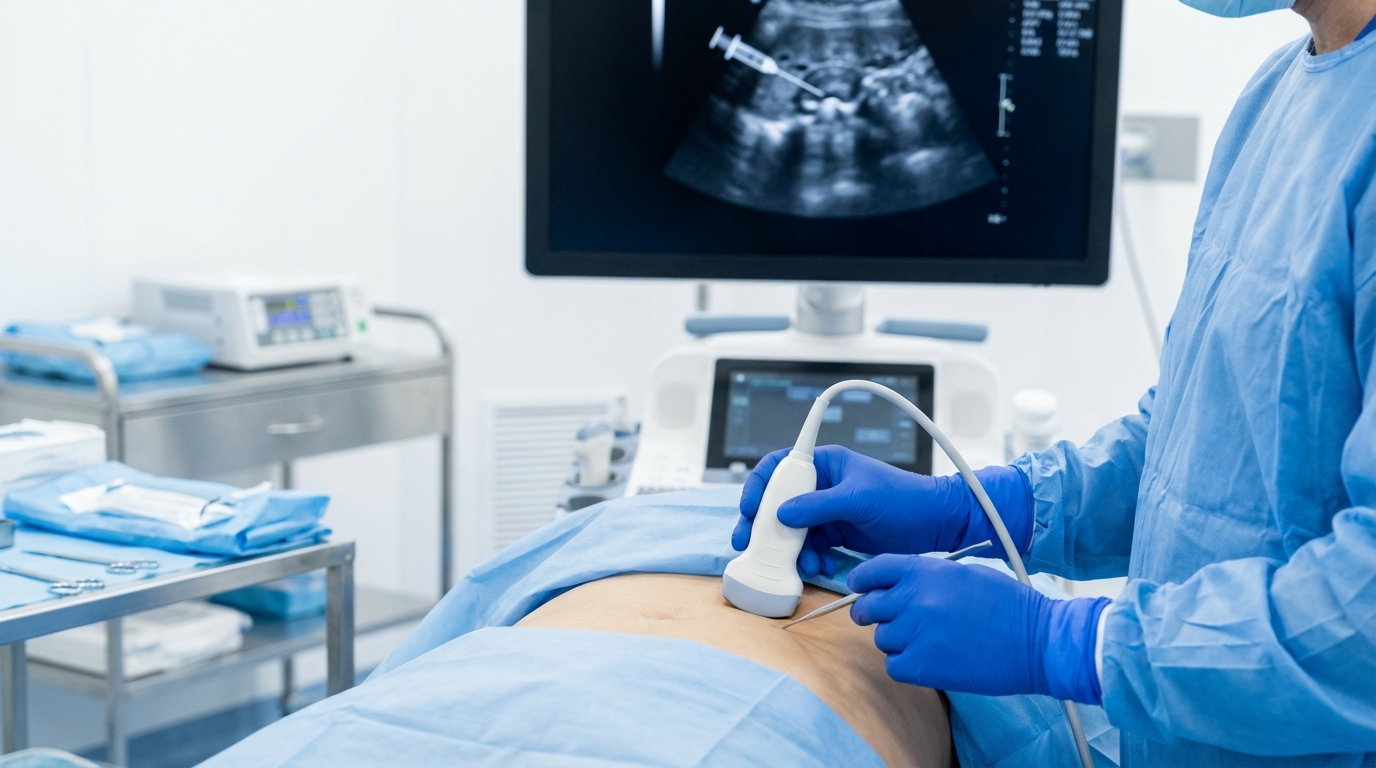
Image-guided injections that deliver targeted anti-inflammatory medication to compressed nerve roots or arthritic facet joints, reducing swelling and pain at the source.
Learn more →Radiofrequency Ablation
A minimally invasive procedure that uses heat to disrupt pain signals from specific facet joints or nerve branches, providing months to years of sustained relief.
Learn more →Regenerative Medicine
In appropriate cases, biologic therapies including PRP may support tissue repair and reduce inflammation in damaged spinal structures.
Learn more →Minimally Invasive Spine Surgery
For cases that do not respond to conservative care, procedures like discectomy, laminectomy, kyphoplasty, or SI joint fusion can directly address the structural problem with minimal recovery time.
Learn more →
Why Frontier Pain Relief
Why Choose Frontier Pain Relief
Spine and disc disorders are among the most complex conditions we treat — and where our coordinated model of care makes the biggest difference. From conservative rehabilitation through interventional procedures and minimally invasive surgery, every level of care is available under one roof, planned by one team, without narcotics.