
Comprehensive Care for Soft Tissue Injuries
Soft tissue injuries — muscle strains, ligament sprains, tendon damage, and deep bruising — are among the most common causes of pain we see. Many patients assume these injuries will heal on their own, but without proper evaluation and treatment, soft tissue damage can become chronic and lead to long-term weakness, instability, and recurring pain. The first step is always determining the type and severity of the injury so the right care plan can be built.
Common Symptoms

Localized pain, stiffness, or cramping in muscles or joints
Swelling, bruising, or tenderness at the injury site
Reduced range of motion or difficulty using the affected area
Pain that worsens with movement, lifting, or repetitive activity
Weakness or instability in the injured muscle or joint
Recurring injuries or pain that keeps coming back in the same area

Understanding Soft Tissue Injuries
What You May Be Experiencing
Symptoms and Warning Signs
Soft tissue injuries can range from mild discomfort to severe pain depending on the type and extent of the damage.

Chronic Tightness & Trigger Points

Muscle Strains
Overstretched or torn muscle fibers causing localized pain, swelling, and weakness from sudden movements or overexertion.
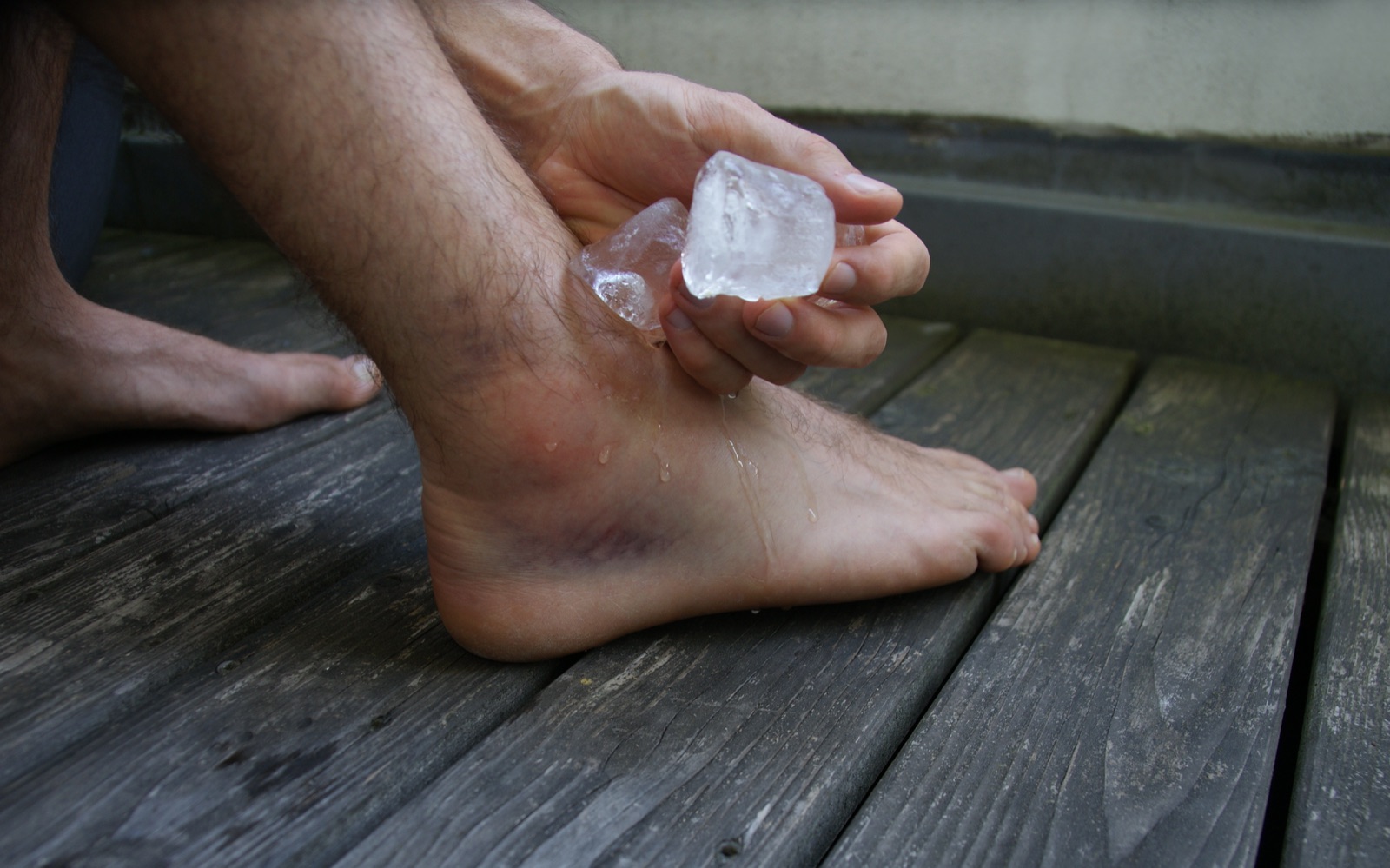
Ligament Sprains

How We Treat It
Treatment Options at Frontier
These are some of the most common therapies indicated for soft tissue injuries — not an exhaustive list. Your provider will recommend the specific combination best suited to the type and severity of your injury.
Physical Rehabilitation
Supervised therapeutic exercise, stretching, and strengthening programs designed to restore function, rebuild stability, and prevent re-injury.
Learn more →Manual Therapy & Myofascial Release
Hands-on techniques that break up adhesions, release muscle tension, and improve blood flow to injured areas to accelerate recovery.
Learn more →Regenerative Medicine & PRP
Platelet-rich plasma and biologic therapies injected directly into damaged tissue to accelerate healing, reduce inflammation, and support long-term tissue repair.
Learn more →Trigger Point Injections
Targeted injections into painful muscle knots and trigger points to release tension, reduce pain, and restore normal muscle function.
Learn more →Chiropractic Care
Spinal and extremity adjustments to correct alignment issues that may be contributing to or resulting from the soft tissue injury.
Learn more →Ultrasound-Guided Injections
Image-guided injections that deliver medication precisely to the injured tendon, ligament, or muscle for maximum therapeutic effect with minimal discomfort.
Learn more →
Why Frontier Pain Relief
Why Choose Frontier Pain Relief
Most clinics treat soft tissue injuries with a few visits and a prescription. At Frontier, your recovery is managed through a coordinated pathway — from conservative rehabilitation through regenerative treatments and interventional procedures when needed. Every provider on your team is connected through one system, so nothing falls through the cracks.