The Connection Between Neuropathy and Amputation
Peripheral neuropathy is not just a condition that causes numbness and tingling. In its advanced stages, it is a documented pathway to tissue death, chronic non-healing wounds, and lower-limb amputation. According to the National Institutes of Health, peripheral neuropathy is the primary contributing factor in approximately 80 percent of all non-traumatic lower-extremity amputations in the United States. The vast majority of these amputations occur in patients with diabetic peripheral neuropathy, but the mechanism applies to neuropathy of any cause.
The connection is straightforward. When peripheral nerves in the feet and lower legs lose function, the patient loses protective sensation. They can no longer feel pressure, temperature changes, or pain in the affected areas. This means injuries that would normally prompt an immediate response, such as a blister from ill-fitting shoes, a small cut, a burn from hot water, or a pressure sore from standing too long, go unnoticed. Without the pain signal that would cause a healthy person to stop, adjust, or seek treatment, the injury continues to worsen.
At the same time, neuropathy frequently impairs the autonomic nerves that regulate blood flow and skin moisture in the extremities. This results in dry, cracked skin that is more prone to breakdown, and reduced circulation that slows the body's ability to heal even minor wounds. The combination of an injury the patient cannot feel and a vascular environment that cannot adequately repair it creates the conditions for infection, tissue necrosis, and ultimately the need for surgical amputation.
What the Data Shows
The scale of this problem is significant and well-documented. The Centers for Disease Control and Prevention reports that approximately 154,000 lower-extremity amputations are performed in the United States each year, and the majority are directly attributable to complications of diabetes and peripheral neuropathy. The NIH has published extensively on the cascade from neuropathy to ulceration to amputation, identifying it as one of the most predictable and potentially preventable sequences in medicine.
Studies published in Diabetes Care have shown that patients with peripheral neuropathy have a 15 to 25 percent lifetime risk of developing a foot ulcer. Once an ulcer develops, the five-year mortality rate following a diabetes-related amputation is between 50 and 70 percent, a figure that exceeds the five-year mortality rate for most common cancers. This is not a statistic that is widely communicated to patients when they are first diagnosed with neuropathy.
The progression follows a well-documented pattern. Loss of protective sensation leads to undetected injury. Impaired blood flow prevents adequate healing. The wound becomes infected. The infection spreads to deeper tissue and bone. At that point, amputation may become the only option to prevent sepsis and death. Each step in this sequence is a point at which intervention could have changed the outcome, and in the majority of cases, no meaningful intervention occurs until the situation has become critical.
Research published in the Journal of the American Podiatric Medical Association has demonstrated that comprehensive foot care programs that include regular nerve assessments, patient education on foot inspection, vascular evaluation, and early wound management can reduce amputation rates by 45 to 85 percent. The data is clear that this is a preventable outcome when neuropathy is identified early and managed proactively.
Why Standard Management Falls Short
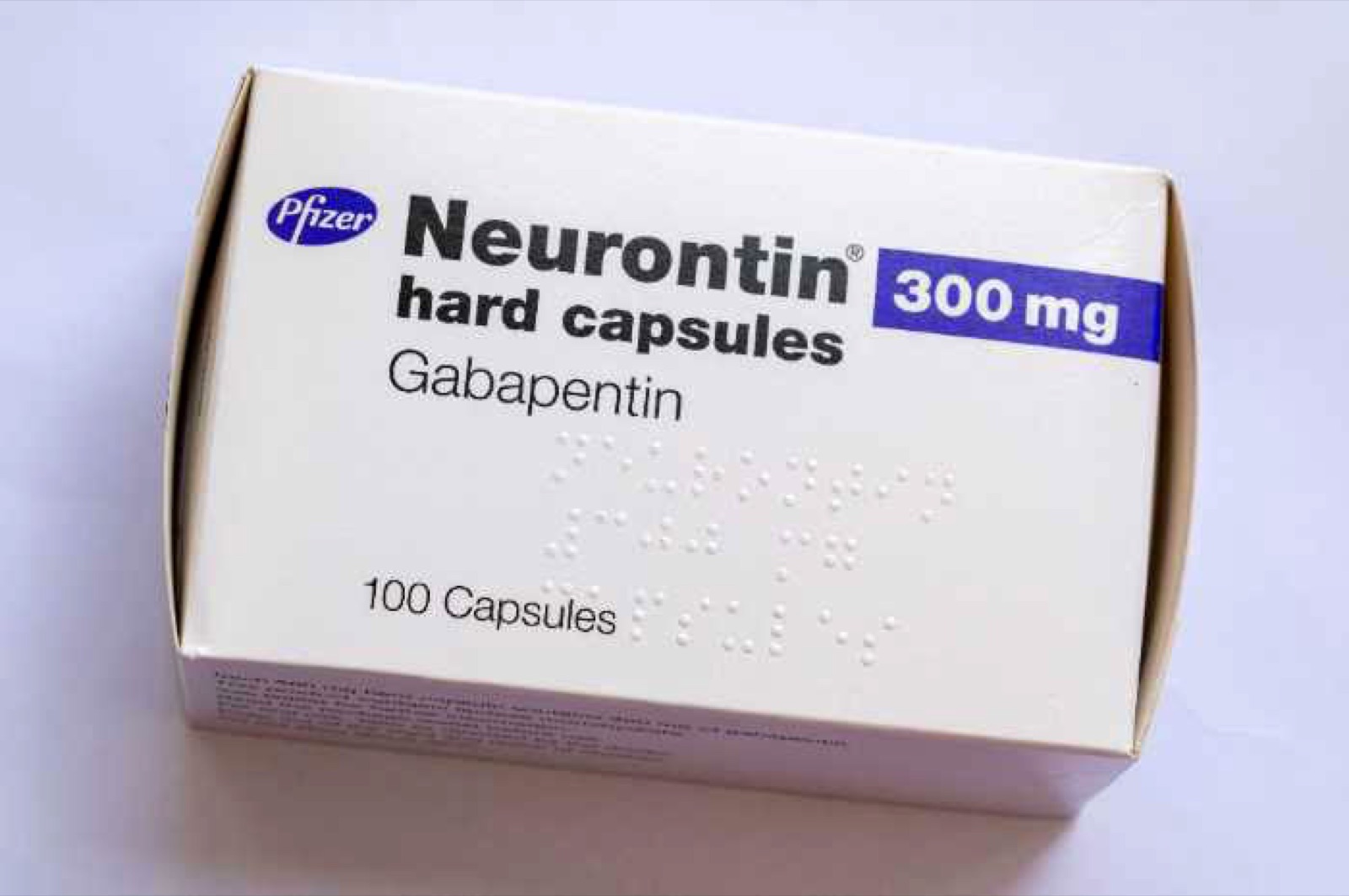
The standard of care for peripheral neuropathy in most primary care and endocrinology settings focuses almost entirely on two things: glycemic control for diabetic patients and symptom management with medications like gabapentin, pregabalin, or duloxetine. These medications address the sensation of pain but do nothing to treat the underlying nerve damage, improve nerve conduction, or restore protective sensation in the extremities.
A patient on gabapentin whose feet are progressively losing sensation is not being treated for neuropathy. They are being treated for the discomfort that neuropathy causes. The nerve damage itself continues to progress, the patient continues to lose sensation, and the risk of ulceration and amputation continues to increase. The medication may make the patient more comfortable in the short term, but it does not alter the trajectory of the disease.
What is typically missing from standard management is any attempt to directly address the nerve damage itself. Interventions that promote nerve regeneration, restore blood flow to the extremities, stimulate damaged nerve pathways, and improve nerve conduction velocity exist and have clinical evidence supporting their use. Electrical nerve stimulation, regenerative therapies, and targeted rehabilitation protocols have all demonstrated the ability to improve measurable nerve function in patients with peripheral neuropathy. But these interventions are rarely discussed in the settings where neuropathy is most commonly managed, because they fall outside the standard prescribing model.
The result is that millions of patients with neuropathy are being managed with medications that mask symptoms while the condition that could eventually cost them a limb continues to progress unchecked.
Why Early Intervention Matters
The single most important factor in preventing neuropathy-related amputation is the timing of intervention. Peripheral nerves have the capacity to regenerate and recover function, but that capacity diminishes as the damage becomes more severe and more prolonged. A patient with early-stage neuropathy who still has partial sensation in their feet is in a fundamentally different clinical position than a patient with advanced neuropathy who has lost all protective sensation. Both patients may be on the same medication, but their prognoses are vastly different.
Early intervention means identifying neuropathy before it reaches the point where protective sensation is lost entirely. It means evaluating not just whether the patient has symptoms, but whether nerve conduction is declining, whether blood flow to the extremities is compromised, and whether the patient has developed any of the warning signs that precede ulceration. It means treating the nerve damage itself, not just the pain it produces.
This is not a condition where watchful waiting is a safe strategy. Every month of progressive nerve deterioration without active treatment narrows the window for meaningful recovery. The patients who achieve the best outcomes are those who begin targeted nerve treatment while there is still nerve function to preserve and restore. The patients who end up facing amputation are overwhelmingly those whose neuropathy was managed passively for years with medication alone until the damage became irreversible.
If you have been diagnosed with peripheral neuropathy, or if you are experiencing numbness, tingling, or loss of sensation in your feet, understanding where you are on this spectrum is the most important step you can take. A comprehensive nerve evaluation can determine the current state of your nerve function and whether active treatment can change your trajectory.